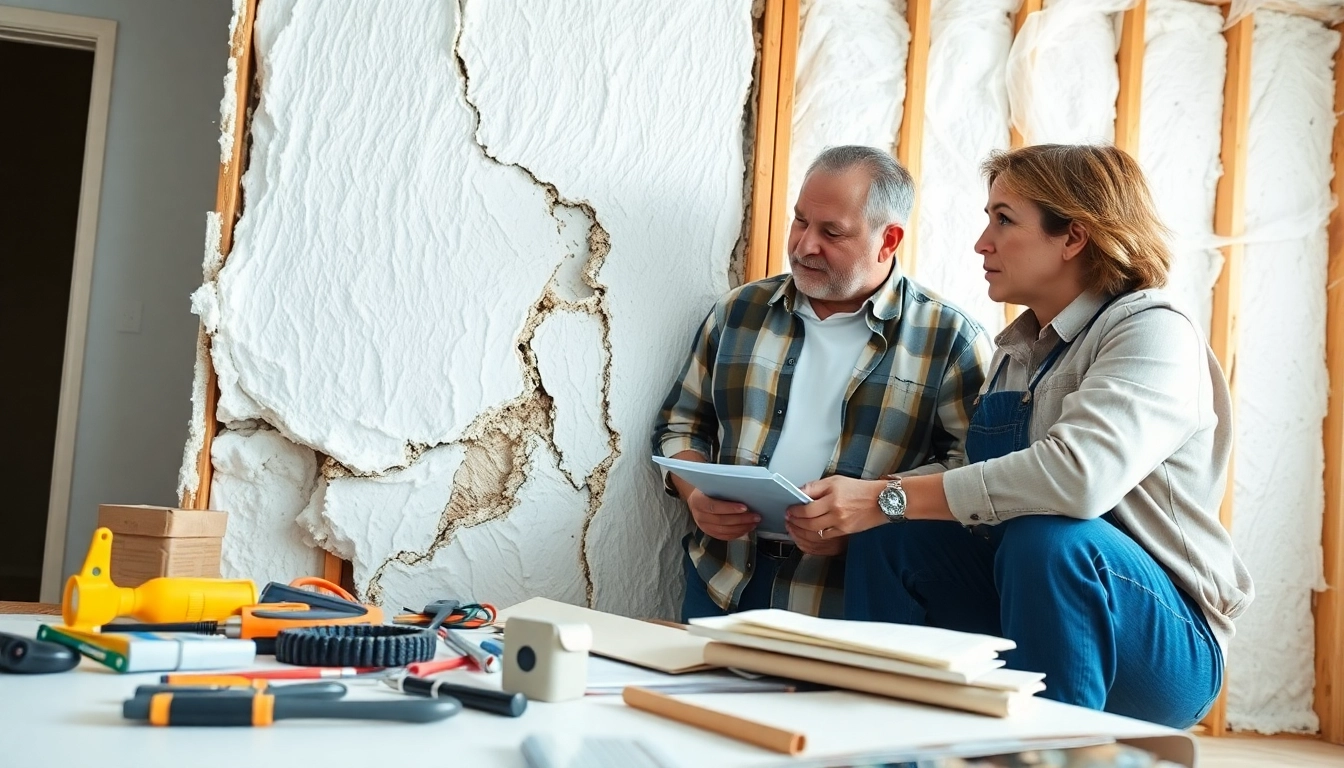
Introduction to Spray Foam Survey Fail
Understanding the nuances of spray foam insulation can significantly impact your home’s efficiency and overall comfort. A spray foam survey fail signifies multiple underlying issues that can lead to ineffective insulation, ultimately compromising the performance of your home. Recognizing the indicators of failure, understanding the causes, and knowing how to address them is essential for homeowners seeking to maintain their property effectively.
What is a Spray Foam Survey Fail?
A spray foam survey fail refers to a situation where the application of spray foam insulation does not meet the expected standards, rendering it ineffective. This can result from a range of issues, including improper installation, environmental factors, and material inadequacies. Inadequate insulation can lead to energy loss, increased utility bills, and even structural damage due to moisture infiltration.
Common Indicators of Failure
Identifying a spray foam survey fail requires awareness of common indicators. Homeowners should watch for:
- Uneven Surfaces: This may indicate improper expansion and application of the foam.
- Presence of Moisture: Water damage or damp spots, especially near windows or ceilings, can point to failed insulation.
- Temperature Fluctuations: Increased energy bills or uncomfortable room temperatures can suggest that the insulation isn’t performing as intended.
- Odor: A strong chemical smell could indicate that the foam has not cured correctly.
Importance of Early Detection
Early detection of a spray foam survey fail is crucial. The longer these issues are left unaddressed, the more they can escalate. Early intervention can prevent costly repairs and even health risks associated with mold growth. By understanding how to assess the integrity of spray foam insulation, homeowners can save themselves considerable time, money, and stress.
Key Causes of Spray Foam Survey Fail
Application Errors Leading to Failure
Application errors are one of the primary causes of spray foam survey fails. Several factors contribute to malfunction during installation:
- Improper Mixing: Spray foam consists of two components that must be accurately mixed. If not properly blended, it won’t expand and cure correctly.
- Incorrect Temperature: The exterior temperature can affect the curing process. Ideal temperatures must be maintained to ensure proper application and adhesion.
- Inadequate Prepping: Failing to prepare the surface properly can lead to poor adhesion of the foam, reducing its effectiveness.
- Over-application or Under-application: Too much foam can lead to uneven surfaces, while too little can create voids, both of which compromise insulation quality.
Environmental Influences on Spray Foam Performance
The environment plays a crucial role in the performance of spray foam insulation. Factors influencing its effectiveness include:
- Humidity Levels: High humidity can prevent the foam from curing properly, affecting its insulation capabilities.
- Temperature Extremes: Rapid temperature changes can lead to expansion or contraction, compromising the integrity of the insulation.
- Exposure to Elements: For installations in areas with harsh weather conditions, protective measures must be in place to shield the foam from degradation.
Material Quality Issues and Consequences
The quality of the materials used in spray foam insulation cannot be understated. Using subpar materials can result in:
- Lack of Performance: Cheap materials are often less effective at insulating, leading to energy loss.
- Shortened Lifespan: Inferior products may deteriorate more quickly, necessitating premature replacements.
- Health Hazards: Some low-quality foams can release harmful VOCs (volatile organic compounds), creating air quality issues.
How to Assess a Spray Foam Survey Fail
Utilizing Professional Assessment Techniques
Homeowners should consider hiring professionals to conduct an assessment of their spray foam insulation. Professionals utilize specialized techniques, including:
- Thermography: This technique uses infrared cameras to detect temperature variations, highlighting areas where insulation may be lacking.
- Moisture Meters: These tools help assess moisture levels in materials, indicating the potential for mold growth.
- Pressure Testing: This can reveal air leakage rates, which helps identify ineffective insulation.
DIY Inspection Methods for Homeowners
For homeowners wanting to take on a more hands-on approach, there are several DIY inspection methods to assess spray foam insulation:
- Visual Checks: Regularly inspect for visible signs of damage, including discoloration or sagging.
- Feeling for Temperature Differences: Place your hand on walls and ceilings to check for any unexpected temperature variations.
- Listening for Unusual Sounds: If certain areas feel colder or damp, sounds like creaking or other noises may indicate poor adhesion or moisture problems.
Identifying Problem Areas Effectively
Identifying problem areas effectively involves a systematic approach:
- Check High-Risk Areas: Focus on basements, attics, and places where foam is subjected to moisture.
- Monitor HVAC Performance: Low efficiency from HVAC systems can reveal insulation problems.
- Document Changes: Keep records of any changes in energy bills or home comfort levels to establish patterns that may indicate a spray foam survey fail.
Solutions and Mitigation Strategies
Repair Options for Failed Spray Foam Insulation
When dealing with a spray foam survey fail, repair options are critical:
- Spot Repairs: For minor issues, cutting out the damaged foam and replacing it can restore effectiveness.
- Full Removal: In cases of extensive damage, complete removal and reapplication may be necessary for optimal results.
- Sealing Cracks: Use appropriate sealants to address any gaps or cracks where air leakage may occur.
Preventative Measures for Future Applications
To avoid future spray foam survey fails, consider the following preventative measures:
- Hire Qualified Professionals: Always engage certified contractors who understand best practices for application.
- Regular Maintenance Checks: Periodic assessments of the insulation can catch potential problems early.
- Monitor Environmental Conditions: Ensure the insulation is applied under recommended temperature and humidity conditions.
Choosing the Right Professionals for Reinstallation
Choosing the right professionals for reinstallation of spray foam insulation should include:
- Checking Credentials: Ensure they are certified and have experience with spray foam applications.
- Reviews and Testimonials: Research customer feedback and their history of successful installations.
- Warranty Offers: Choose professionals that provide warranties on their work to hinge on quality assurance.
FAQs About Spray Foam Survey Fail
What happens if a spray foam survey fails?
A failed survey may indicate issues with insulation performance, leading to energy loss and moisture problems.
How can I identify a spray foam survey fail?
Look for uneven surfaces, signs of moisture, or reduced energy efficiency as indicators of potential failure.
Can I repair a spray foam survey fail myself?
Minor issues can sometimes be repaired; however, professional assistance is recommended for significant failures.
What should I do if my spray foam insulation fails?
Contact a qualified professional to assess the situation and recommend the best course of action.
Is spray foam insulation worth the investment?
Yes, despite potential issues, properly applied spray foam offers excellent insulation benefits and energy savings.