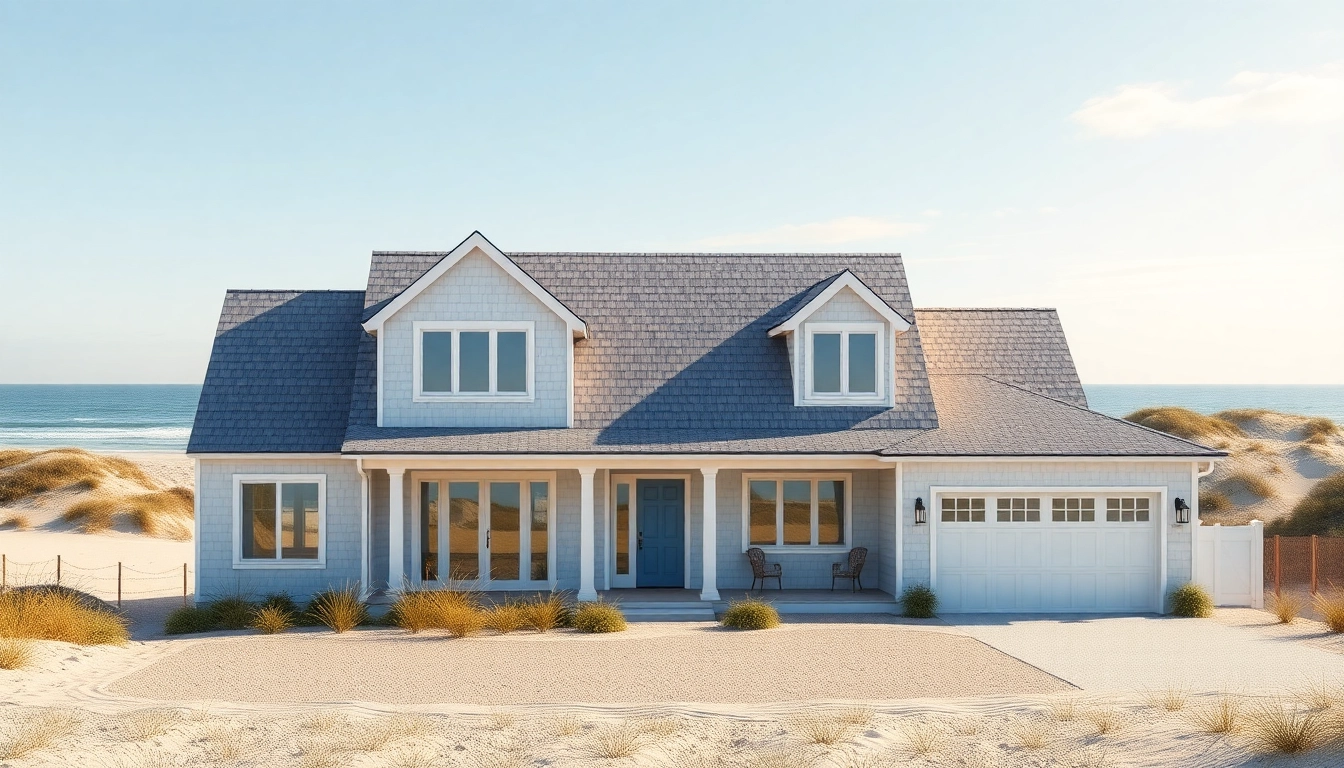
Understanding Cape Cod Home Addition
What is a Cape Cod Home Addition?
A cape cod home addition refers to any expansion or enhancement made to a traditional Cape Cod-style house, which is characterized by its steep roof, dormer windows, and symmetrical facade. This type of addition not only aims to increase living space but also seeks to retain the architectural integrity of the original structure while enhancing functionality and aesthetic appeal. Common additions include family rooms, bedrooms, or attached garages, designed to harmonize with the home’s original architecture.
Benefits of Expanding Your Home
There are myriad benefits to undertaking a Cape Cod home addition. First and foremost, the most evident advantage is the increased square footage. More space translates to greater comfort, making it an ideal solution for growing families or those with changing lifestyle needs. Additionally, a well-executed addition can significantly enhance your property value. It also allows homeowners to create a space tailored specifically to their needs without the hassle of moving. Lastly, when you expand your home, you have the opportunity to reimagine various aspects of your existing space, incorporating modern amenities and design features.
Common Designs and Styles
When planning a Cape Cod home addition, several design options can elevate the property’s appeal. Popular styles include:
- Vertical Expansions: Adding a second story can increase living area and provide better views.
- Horizontal Expansions: Extensions off the sides of the original structure allow for larger kitchens or family rooms.
- Pavilion-Style Additions: These often include large, open spaces that welcome natural light and enhance the connection to the outdoors.
- Garage Additions: An attached garage not only adds functionality but can also serve as a base for further living space.
Planning Your Cape Cod Home Addition
Key Considerations Before You Start
Before diving head-first into a Cape Cod home addition, homeowners should consider several critical factors. Assess your current space and determine the necessity for additional rooms. Consider how the addition will affect the flow of the existing space, the needs of household members, and future requirements. Researching local housing trends can also help pinpoint desirable features while maintaining value in the eyes of potential future buyers.
Finding the Right Location
The location of the addition is essential for aesthetic balance and functionality. The addition should seamlessly integrate with the home’s existing design and neighborhood context. Evaluate your property’s layout and surrounding areas to identify optimal sites where the addition would make the most sense. For example, a rear addition can enhance privacy and create an outdoor extension when coupled with a patio or garden.
Building Regulations and Permits
Most renovations require permits and must comply with local building codes. Before commencing construction, familiarize yourself with local regulations pertaining to zoning, setbacks, and building heights. Applying for the necessary permits early in the process can prevent delays later on. Each municipality may have different requirements, so consulting a local architect or builder is advisable to ensure compliance.
Designing Your Cape Cod Home Addition
Choosing the Right Aesthetic
The aesthetic of your addition should reflect the traditional Cape Cod style while offering a modern twist. This could mean maintaining elements such as clapboard siding, dormer windows, and a gabled roof, which enhances synergy between new and old elements. Opting for a color palette that complements existing features will also ensure that the addition appears organically tied to the original structure.
Incorporating Sustainable Features
As sustainability becomes a growing priority, integrating eco-friendly features in your Cape Cod home addition can minimize environmental impact and enhance energy efficiency. Consider the following options:
- Energy-Efficient Windows: Utilize double or triple-pane windows to improve insulation.
- Solar Panels: Install panels on the roof of your addition to harness renewable energy.
- Insulated Materials: Use sustainable building materials that provide better insulation and have a lower carbon footprint.
Maximizing Natural Light and Ventilation
Natural light can transform a space, making it feel larger and more inviting. Install large windows or sliding glass doors that lead to outdoor spaces, and consider skylights to enhance light flow from above. Effective ventilation can be achieved through strategically placed windows that encourage an optimal cross-breeze, improving air quality and reducing reliance on artificial heating and cooling systems.
Construction Process of Your Cape Cod Home Addition
Understanding the Timeline
The timeline for a Cape Cod home addition can vary significantly based on the project scale and complexity. Most additions typically range from three to six months, including planning, permits, and actual construction. Having a clear project schedule is essential to keep the work on track and ensure timely completion.
Working with Contractors and Architects
Collaboration with experienced contractors and architects is crucial during the planning and construction phases. These professionals can provide valuable insights based on local building practices and help you navigate the often-complex approval processes. Ensure you solicit multiple bids and thoroughly vet any potential contractors to find the right match for your project’s specific needs.
Cost Estimation and Budgeting Strategies
Estimating costs for a Cape Cod home addition can range widely depending on size, materials, and local labor rates. Typically, homeowners can expect to spend between $100 and $300 per square foot for the addition. Budgets should account for potential contingencies, design fees, permits, and construction costs. Developing a detailed budget will help keep the project financially manageable while allowing for unforeseen expenses.
Post-Completion: Living in Your Expanded Space
Interior Design Tips for New Spaces
Once construction is complete, designing the interior of your new space is an exciting step. Consider an open floor plan that promotes flow and interaction among rooms. Use furniture and decor that matches the overall style of your home, opting for soothing color palettes and materials that provide warmth and coziness, which is a hallmark of the Cape Cod aesthetic.
Creating Functional Outdoor Areas
The addition of outdoor spaces can significantly enhance your enjoyment of the new area. Consider adding a deck, patio, or garden to create functional outdoor areas that promote relaxation and entertainment. Elements such as outdoor lighting, seating, and landscaping can transform these spaces into an extension of your indoor living areas.
Maintenance and Property Value Considerations
Regular maintenance of your new addition is essential to keep it looking its best and functioning well. This includes routine inspections of roofing, siding, and any installed systems. Taking care of your property ensures that the value of your home continues to appreciate, making it a sound investment in the long term.
FAQs
What is the average cost of a cape cod home addition?
The cost varies widely depending on size, materials, and location, typically ranging from $100 to $300 per square foot.
How long does a cape cod home addition take?
Most projects are completed in 3 to 6 months, depending on design complexity and local permits.
Do I need a permit for a cape cod home addition?
Yes, most additions require building permits. Check local regulations for specific requirements.
What are popular design features for cape cod home additions?
Popular features include open floor plans, large windows, and blending of indoor-outdoor spaces.
How can I ensure my cape cod home addition blends with the original structure?
Employ similar architectural styles, colors, and materials to create a seamless transition with the existing home.