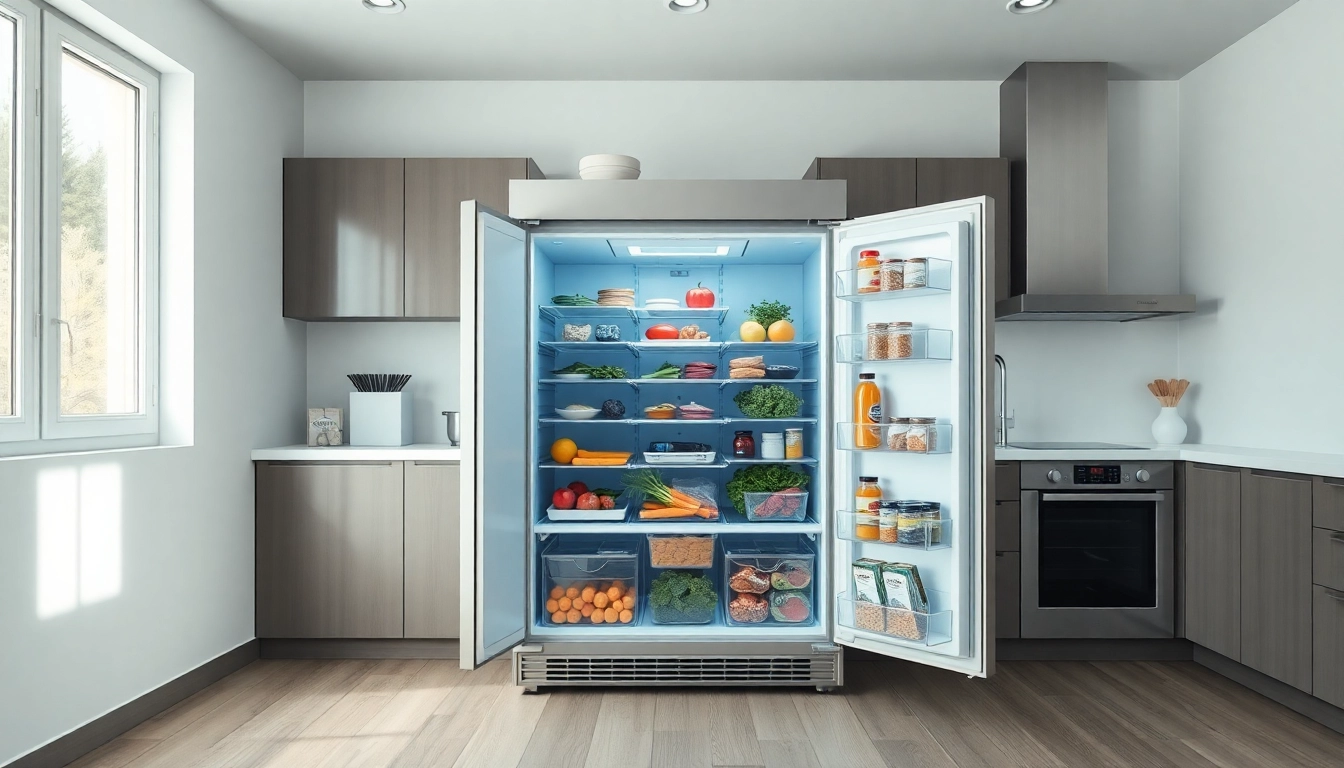
Understanding Types of Freezers
When considering a Freezer for your home, it’s essential to understand the different types available, as each comes with its pros and cons. Choosing the right one can significantly affect how efficiently you store food and manage your kitchen space.
Chest Freezer: Pros and Cons
Chest freezers are often touted for their ample storage capacity and energy efficiency. They provide a large space that’s open from the top, making them ideal for bulk storage of frozen goods. However, accessing items at the bottom can be cumbersome, as items can become buried over time, leading to potential waste and difficulty in retrieving what you need.
Pros:
– Energy Efficiency: Chest freezers generally consume less energy than upright models, as they maintain temperatures more effectively.
– Storage Capacity: They offer more usable space compared to upright models, allowing you to stock up on larger items or bulk purchases.
– Longer Cooling Retention: In the event of a power outage, chest freezers can keep food frozen longer than upright freezers.
Cons:
– Accessibility: Items can be harder to reach, and you may need to dig through layers to find what you’re looking for.
– Floor Space Requirement: They tend to take up more floor space, which could be a consideration for smaller kitchens or utility areas.
– Less Organization: Most chest freezers don’t have organizational features like shelves, meaning everything tends to get piled up.
Upright Freezer: Features and Advantages
Upright freezers are designed for convenience and easy accessibility. With their vertical orientation, they often come with shelves and bins that help keep everything organized and easy to find.
Features:
– Adjustable Shelves: Many models offer removable shelves, providing flexibility for different sized items.
– Door Storage Bins: Perfect for small items or frequently used ingredients, making access quick and straightforward.
– Less Floor Space: Upright freezers are more compact in design, making them suitable for smaller spaces.
Advantages:
– Ease of Use: You can quickly see and access what’s inside without rummaging around.
– Energy Efficient Options: Many modern upright freezers are designed to be energy efficient, reducing your electricity bill.
– Frost-Free Models: Many upright freezers come with frost-free features, eliminating the need for manual defrosting.
Energy-Efficient Freezer Options
In today’s environmentally-conscious market, energy-efficient freezers are more prevalent than ever. These appliances not only help reduce your carbon footprint but also save you money on your utility bills.
Energy Star Ratings:
Most energy-efficient freezers come with an Energy Star label, indicating they meet specific energy efficiency guidelines set by the EPA.
Smart Features:
Some advanced models are equipped with smart technology that allows you to monitor energy usage through apps or manage settings remotely. This not only adds convenience but also ensures optimal performance.
Long-Term Cost Savings:
While energy-efficient models may have a higher upfront cost, they typically pay for themselves over time through savings on your electricity bills.
Key Factors in Freezer Purchase
Choosing the right freezer can be complicated, but understanding key factors can simplify your decision-making process. Here are important aspects to consider:
Size and Capacity Considerations
When selecting a freezer, size matters. You need to find a balance between available space in your home and the storage capacity that meets your needs.
Determining Capacity:
Measure the space where you want to place the freezer. Once you’ve established the physical constraints, consider how much food you typically freeze.
General Guidelines:
– For individuals or couples, a capacity of 5-8 cubic feet should suffice.
– Families of four or more may require 10-20 cubic feet, depending on dietary habits and storage needs.
– Consider future needs as well; purchasing a slightly larger unit can accommodate growth in your family or lifestyle.
Understanding Energy Ratings
Energy ratings are essential for making an informed decision. An Energy Star certification means a freezer meets the highest efficiency standards.
Why Energy Ratings Matter:
An appliance’s energy consumption can significantly impact your monthly bills. Choosing an energy-efficient freezer helps in reducing overall costs and conservation of resources.
Comparing Options:
When comparing different freezers, refer to the annual energy consumption (measured in kilowatt-hours). This data can provide insight into which model will be less expensive to operate over the long term.
Essential Features to Look For
When evaluating freezers, consider features that contribute to usability, efficiency, and maintenance.
Temperature Control:
Look for freezers with accurate and adjustable temperature controls, providing flexibility depending on what you are storing.
Alarm Systems:
Some modern freezers include alarms that notify you if the temperature rises above a specific threshold, which can help prevent food spoilage.
Self-Defrosting Functions:
Self-defrosting models will save you time and the hassle of manual defrosting.
Interior Lighting:
Having an interior light can be beneficial for visibility when searching for items in low-light conditions.
Organizing Your Freezer for Efficiency
To maximize the benefits of your freezer, organization is key. A well-organized freezer allows you to find items quickly and reduces food waste.
Best Practices for Food Storage
Storing food correctly in your freezer doesn’t just maintain quality; it also extends shelf life.
Use Airtight Containers:
Utilize airtight containers for storing food, preventing moisture and air from spoiling items.
Proper Packaging:
Wrap foods in freezer-safe materials. Aluminum foil, freezer bags, and vacuum-sealed packages work best for maintaining quality.
Categorizing Items:
Group similar items together (like meats, vegetables, and desserts) to facilitate quick access. This organization method ensures that you can quickly locate what you need without unnecessary digging.
Labeling and Inventory Management
Keeping an inventory of your frozen items might seem tedious, but it can save you time and money.
Use Labels:
Label all items with the name and date of freezing. This prevents older items from being forgotten or going bad.
Create a Freezer Inventory Sheet:
Consider maintaining an inventory sheet posted on the freezer where you can update it whenever items are added or removed. This visualization can help streamline meal planning and reduce food waste.
Keeping Track of Expiry Dates
Perishable items can lose quality over time. Keeping track of their longevity will help in effective meal planning.
Prioritize First In, First Out (FIFO):
Always place new items at the back and take older items from the front. This practice ensures that you consume older items first.
Utilize Technology:
Consider using apps that allow you to log items and expiration dates. Reminders can be set to alert you before food goes bad.
Maintenance Tips for Longevity
Regular maintenance is crucial for keeping your freezer running efficiently and prolonging its lifespan.
Cleaning Your Freezer Regularly
Cleaning your freezer is essential to maintain hygiene and efficiency.
Schedule Regular Cleanings:
Aim to clean your freezer thoroughly at least once or twice a year. Defrosting any ice buildup during this time can also improve energy efficiency.
Use Non-Toxic Cleaners:
When cleaning, opt for non-toxic sources, such as a vinegar and water solution. This is effective for removing odors and ensuring a chemical-free zone.
Troubleshooting Common Issues
Being proactive about recognizing freezer issues can save time and prevent costly repairs.
Common Problems:
– Freezer Not Cooling: Check the temperature settings and verify that it’s plugged in.
– Frost Buildup: This often indicates a faulty door seal. Regularly inspect seals for cracks or debris.
– Unusual Noises: Loud noises can signal issues with the compressor or fan that may need professional attention.
Call for Help:
Don’t hesitate to consult the manufacturer’s manual or a professional technician for complicated problems you can’t resolve on your own.
Seasonal Maintenance Checklist
As seasons change, your freezer maintenance tasks may vary.
Summer Preparation:
Ensure that the freezer is running smoothly before the hot months, as increased energy demand can strain your appliance.
Winter Checks:
If your freezer is in an unheated space, consider insulation to prevent items from freezing too thoroughly or getting damaged in cold conditions.
Annual Review:
Each year, assess whether your freezer meets your current needs and consider upgrades if necessary.
Frequently Asked Questions
What is the ideal temperature for a freezer?
The ideal temperature for a freezer is 0°F (-18°C). This temperature ensures food is stored safely while maintaining quality.
How can I prevent freezer burn?
To prevent freezer burn, ensure food is wrapped tightly and stored in airtight containers. Minimize exposure to air and moisture.
What size freezer do I need for my family?
Size recommendations depend on family size: generally, 5-8 cubic feet for individuals, and 10-20 cubic feet for families of four or more.
How do I defrost my freezer efficiently?
Turn off the freezer and allow ice to melt naturally or use a hairdryer on a low setting. Place towels to catch any water.
Can I use my freezer to store anything other than food?
Yes, freezers can store items like cosmetics, certain medications, and fabrics, but avoid storing items that could damage the appliance.