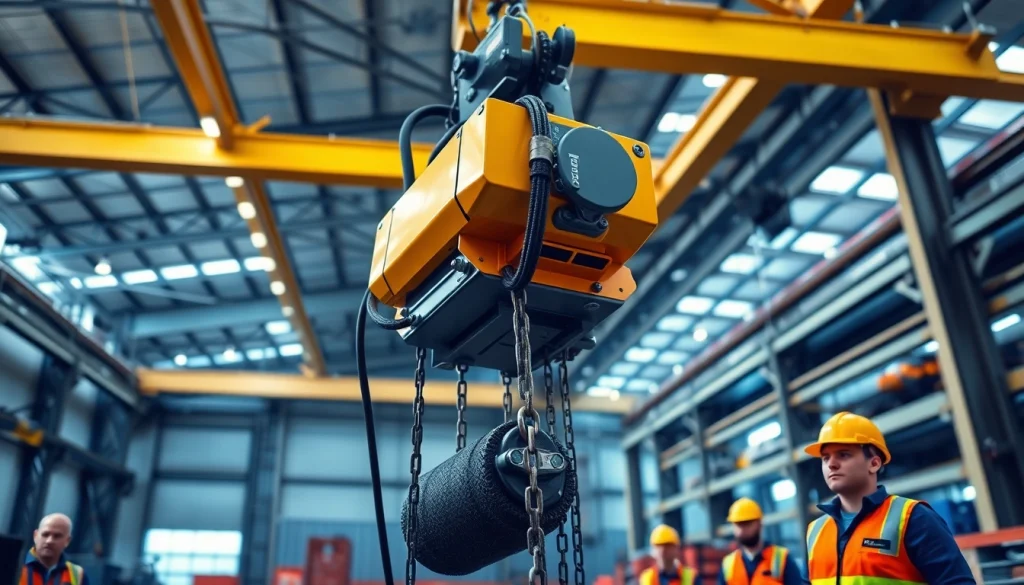
Understanding Electric Chain Hoist Cranes
In the world of industrial lifting, efficiency and safety are paramount. Among the various lifting solutions available, the electric chain hoist crane stands out for its reliability and ease of use. Designed to handle heavy loads, these cranes incorporate advanced motor technology, allowing for smooth operation across diverse applications. As industries continue to evolve, understanding the features and benefits of an electric chain hoist crane is essential for optimizing lifting operations.
What is an Electric Chain Hoist Crane?
An electric chain hoist crane is a type of lifting device that uses an electric motor to raise and lower heavy loads using a chain. Generally mounted on a beam or framework, these cranes play a crucial role in manufacturing, construction, and logistics sectors. Unlike manual hoists, which require physical effort, electric chain hoists provide the advantage of mechanical lifting, reducing operator fatigue and increasing productivity.
Key Components and Functionality
The primary components of an electric chain hoist crane include:
- Motor: The heart of the hoist, responsible for lifting and lowering loads through the chain.
- Chain: Acts as the lifting medium, uniquely designed for the specific load capacity of the hoist.
- Control System: Allows operators to manage the hoist’s speed and direction; can be manual or remote-controlled.
- Frame/Beam: Provides structure for mounting the hoist, ensuring stability during operation.
Understanding these components is essential for effective operation and maintenance, as each part plays a vital role in the safety and efficiency of lifting tasks.
Benefits of Using Electric Chain Hoist Cranes
The use of electric chain hoist cranes brings several benefits, including:
- Increased Efficiency: Electric hoists can lift heavier loads at faster speeds compared to manual options, significantly improving productivity.
- Reduced Labor Costs: By minimizing the physical effort required for lifting, organizations can reduce the number of operators needed.
- Improved Safety: Electric cranes come equipped with features such as overload protection, ensuring a safer working environment.
- Versatility: They can be used in various applications, from manufacturing assemblies to construction sites, making them a valuable asset across multiple industries.
Choosing the Right Electric Chain Hoist Crane
Selecting the appropriate electric chain hoist crane for your needs can be a complex decision influenced by various factors. It’s essential to assess your operational requirements carefully.
Factors to Consider When Selecting
When choosing an electric chain hoist crane, consider the following:
- Load Capacity: Ensure the hoist can handle the maximum weight you’ll be lifting.
- Lifting Height: Determine how high the load needs to be lifted, as this will influence the hoist’s specification.
- Power Supply: Check if you require single-phase or three-phase power, as different setups may affect availability.
- Operating Environment: If the crane will be used outdoors or in hazardous environments, consider weatherproof and explosion-proof designs.
Different Types of Electric Chain Hoist Cranes
Electric chain hoist cranes are classified into several types, each suited for specific tasks and environments:
- Single Phase Hoists: Ideal for small-scale operations requiring lower power.
- Three Phase Hoists: Suitable for industrial applications with higher power demands.
- Explosion-Proof Hoists: Designed for operation in hazardous environments, preventing ignition of flammable materials.
Common Misconceptions and Clarifications
Several misconceptions surround electric chain hoists:
- Misconception: Electric hoists are only suitable for heavy loads. Clarification: They can also lift lighter loads efficiently.
- Misconception: All electric chain hoists are the same. Clarification: Variations exist based on capacity, power source, and intended use.
Best Practices for Operation and Safety
Operating electric chain hoist cranes requires adherence to safety protocols and best practices to guarantee effective performance.
Safety Guidelines for Electric Chain Hoist Cranes
To ensure safe operation, follow these guidelines:
- Pre-Operation Inspection: Always conduct a thorough inspection before use, checking for wear and tear on chains and electrical components.
- Load Limits: Never exceed the manufacturer’s recommended load limit to avoid accidents.
- Operator Training: Ensure all operators are trained and knowledgeable about the hoist’s operation and safety features.
Maintenance Tips for Longevity
Regular maintenance is critical for the longevity of electric chain hoist cranes. Implement the following practices:
- Regular Lubrication: Keep the chain and moving parts well-lubricated to minimize wear.
- Frequent Inspections: Schedule regular inspections to identify and rectify potential issues before they escalate.
- Professional Servicing: Engage certified professionals for comprehensive servicing and compliance checks.
Training Requirements for Operators
Training is an integral part of ensuring safety and operational efficiency. Key components of effective training programs include:
- Theoretical Training: Cover safety protocols, operating procedures, and maintenance practices.
- Hands-On Practice: Allow operators to gain practical experience under supervision to build confidence.
Applications of Electric Chain Hoist Cranes
Electric chain hoist cranes are employed in a variety of industries, showcasing their versatility and efficiency in lifting applications.
Industries Utilizing Electric Chain Hoist Cranes
Numerous sectors benefit from electric chain hoist cranes, including:
- Manufacturing: Used for assembly lines and heavy machinery setups.
- Construction: Essential for lifting materials to heights during building projects.
- Logistics: Integral to loading and unloading operations in warehouses.
Real-world Case Studies
Several real-world implementations highlight the effectiveness of electric chain hoist cranes:
- Case Study 1: A manufacturing facility reduced its lifting times by 30% using electric chain hoists, optimizing production schedules.
- Case Study 2: In a construction project, electric chain hoists allowed for safer material handling, significantly decreasing workplace accidents.
Customization Options for Specific Needs
Customization of electric chain hoist cranes is often necessary to accommodate specific operational requirements. Options include:
- Custom Lift Heights: Tailoring the lift height to fit unique environments.
- Variable Speed Controls: Allowing operators to fine-tune lifting speed for different tasks.
Future Trends in Electric Chain Hoist Cranes
The landscape of electric chain hoist cranes is evolving rapidly, driven by technological advancements and changing market demands.
Emerging Technologies and Innovations
Innovations in electric chain hoist technology include:
- Smart Hoists: Integration of IoT technology allows for remote monitoring and diagnostics.
- Energy-Efficient Motors: New motor designs promise improved energy efficiency without sacrificing lifting capability.
Predicted Industry Changes for 2025 and Beyond
As industries adapt to modern challenges, the following changes are expected:
- Increased Automation: The drive toward automated systems will enhance the role of electric chain hoists within automated production lines.
- Sustainability Focus: More companies will lean towards environmentally friendly options, leading to innovations in the design and manufacturing of hoists.
Impact of Automation on Electric Chain Hoist Operations
The rise of automation is reshaping operations in ways that enhance efficiency and worker safety. Key impacts include:
- Reduced Human Error: Automated systems minimize the risk of errors associated with manual operation.
- Enhanced Productivity: Automation allows for round-the-clock operation, maximizing throughput.