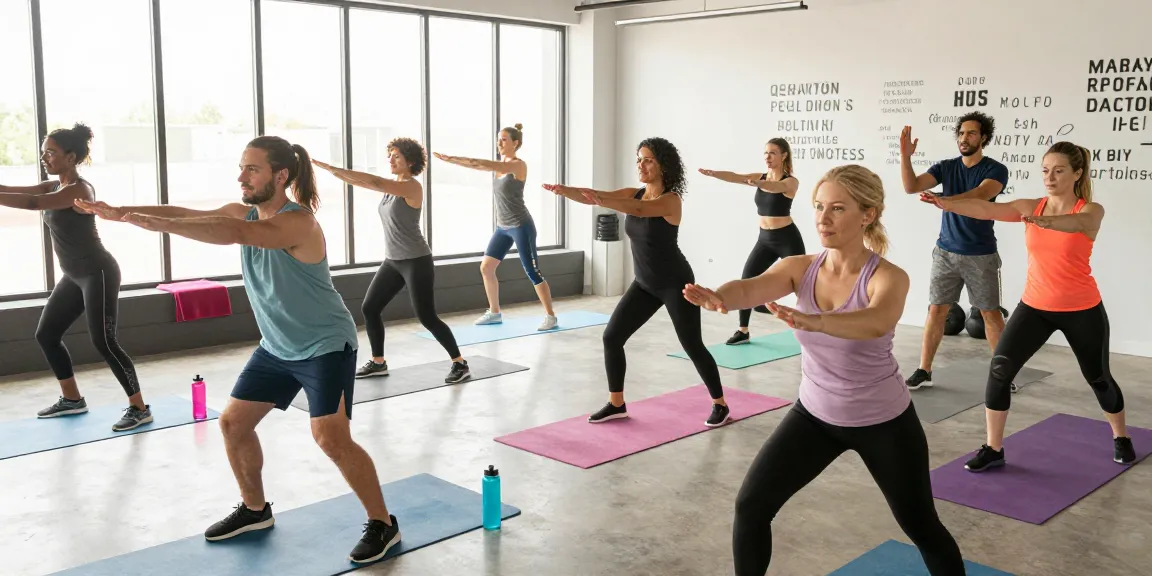
Understanding the Importance of Fitness in Today’s Society
In an era where sedentary lifestyles have become the norm, understanding the significance of fitness has never been more crucial. With growing awareness of the impact of physical health on longevity and quality of life, the fitness and wellness industry continues to flourish. The effects of fitness extend beyond physical attributes; they encompass mental, emotional, and social well-being. When exploring options, https://factors.org.uk provides comprehensive insights into this evolving landscape.
Current Trends in Health and Wellness
As we move further into 2026, several trends are shaping the health and wellness sector. The integration of technology in fitness routines is particularly noteworthy. Wearable devices that monitor physical activity, heart rate, and sleep patterns are becoming commonplace. Moreover, virtual fitness classes have surged, offering flexibility and accessibility to a broader audience. Mindfulness and wellness retreats are also gaining traction, reflecting the growing recognition of mental health’s importance.
How Fitness Impacts Mental and Physical Health
The benefits of fitness are multifaceted. Regular exercise enhances physical health by improving cardiovascular function, building muscle strength, and boosting the immune system. Equally important is its positive influence on mental health. Engaging in physical activity releases endorphins, often referred to as “feel-good hormones,” which help alleviate symptoms of anxiety and depression. Furthermore, exercise can enhance cognitive function, making it easier to focus and retain information.
Common Misconceptions About Exercise
Despite the overwhelming evidence supporting the benefits of exercise, several misconceptions persist. One common myth is that exercise alone is enough for effective weight loss. In reality, nutrition plays a pivotal role as well. Another misconception is that only high-intensity workouts are effective. In truth, any form of physical activity can contribute to fitness goals, and finding enjoyable activities is vital for long-term adherence.
Identifying Your Health and Fitness Goals
Setting clear health and fitness goals is fundamental to achieving success. Without specific targets, it’s easy to lose motivation and direction. To help navigate this process, consider utilizing tools and resources that can aid in goal setting and tracking. Understanding and articulating your ambitions will pave the way to tangible results.
Setting SMART Goals for Success
One of the most effective methods for goal setting is the SMART criteria, which stands for Specific, Measurable, Achievable, Relevant, and Time-bound. For instance, instead of simply stating, “I want to get fit,” a SMART goal would be, “I will run 5 kilometers in under 30 minutes within the next three months.” This approach ensures clarity and promotes accountability.
Evaluating Your Current Fitness Level
Before embarking on any fitness journey, it’s essential to assess your current physical condition. This evaluation can include taking note of your endurance, strength, flexibility, and body composition. Understanding where you stand will help in designing a personalized workout plan that aligns with your fitness goals. Tools like fitness assessments and professional evaluations can provide valuable insights.
Understanding Your Motivation and Challenges
Your motivations for pursuing fitness can significantly impact your journey. Identifying whether you’re exercising for health, aesthetic reasons, or stress relief can help tailor your approach. Conversely, acknowledging potential challenges—such as time constraints or financial limitations—allows you to develop strategies to overcome them, ensuring that you stay on track.
Choosing the Right Workout Routine
Selecting a workout routine that aligns with your goals, preferences, and lifestyle is crucial for maintaining motivation and achieving results. With numerous options available, it’s important to choose what resonates with you.
Types of Workouts for Different Fitness Levels
Different people have different fitness levels, and the type of workout you choose should reflect this. Beginners might benefit from low-impact exercises like walking, swimming, or cycling, while more advanced individuals could engage in higher-intensity activities like HIIT or weightlifting. Gradually increasing the intensity and complexity of your workouts can help you progress effectively while minimizing the risk of injury.
Incorporating Strength, Cardio, and Flexibility
A well-rounded fitness routine includes a mix of cardiovascular exercises, strength training, and flexibility workouts. Cardiovascular exercises, such as running or cycling, enhance heart health; strength training builds muscle mass and boosts metabolism; and flexibility workouts improve range of motion and reduce injury risk. Striving for a balanced approach ensures comprehensive fitness development.
Creating a Balanced Weekly Fitness Plan
Designing a weekly fitness plan can help manage your time efficiently while ensuring you incorporate all essential elements of fitness. For example, you could allocate three days to strength training, two days to cardio, and one day to flexibility exercises. Don’t forget to include rest days to allow your body to recover—a key aspect of any fitness regime.
Nutrition and Its Role in Achieving Fitness Goals
Nutrition is a cornerstone of fitness, impacting performance and recovery. Understanding the relationship between what you consume and your fitness outcomes is vital for achieving your goals.
Essential Nutrients for Active Lifestyles
The body requires a variety of nutrients to function optimally, especially for those engaging in regular exercise. Key macronutrients include carbohydrates, proteins, and fats. Carbohydrates provide energy, proteins aid in muscle repair, and healthy fats support overall health. Additionally, micronutrients like vitamins and minerals play crucial roles in bodily functions and should not be neglected.
Meal Planning and Prepping Strategies
Meal planning is an effective way to ensure you meet your nutritional needs. Preparing meals in advance saves time and helps avoid the temptation of unhealthy choices. Aim to create balanced meals that include a source of protein, carbohydrates, and healthy fats. Utilizing portion control and variety can also help maintain interest in your meal choices.
Hydration and Its Impact on Performance
Staying hydrated is often overlooked, yet it is essential for peak performance. Dehydration can lead to fatigue, decreased coordination, and lower endurance levels. Aim for a consistent intake of water throughout the day, especially before, during, and after workouts. Hydration needs may vary based on climate, intensity of exercise, and individual body composition.
Tracking Progress and Staying Motivated
Monitoring your progress is crucial to staying motivated and making necessary adjustments to your fitness routine. Tracking allows you to celebrate achievements and identify areas for improvement, which is vital for ongoing success.
Using Technology and Apps for Fitness Tracking
In the modern fitness landscape, technology offers numerous tools for tracking progress. Fitness apps and wearable technology can log workouts, track calories burned, and monitor heart rates. These tools not only provide data but can also offer motivation through reminders and achievements, encouraging users to stay committed to their fitness goals.
Setting Up a Support System and Community
A strong support system can have a positive impact on your fitness journey. Engaging with a community of like-minded individuals can provide encouragement, accountability, and camaraderie. This could include joining fitness classes, connecting with friends for workout sessions, or participating in online communities focused on health and wellness.
Adjusting Goals and Routines Over Time
As one progresses on their fitness journey, it’s essential to reevaluate and adjust goals and workout routines. This keeps the experience fresh and adaptable to changes in lifestyle or fitness levels. Regularly scheduling check-ins with yourself can offer insights into what’s working, what’s not, and what new directions you might want to explore.