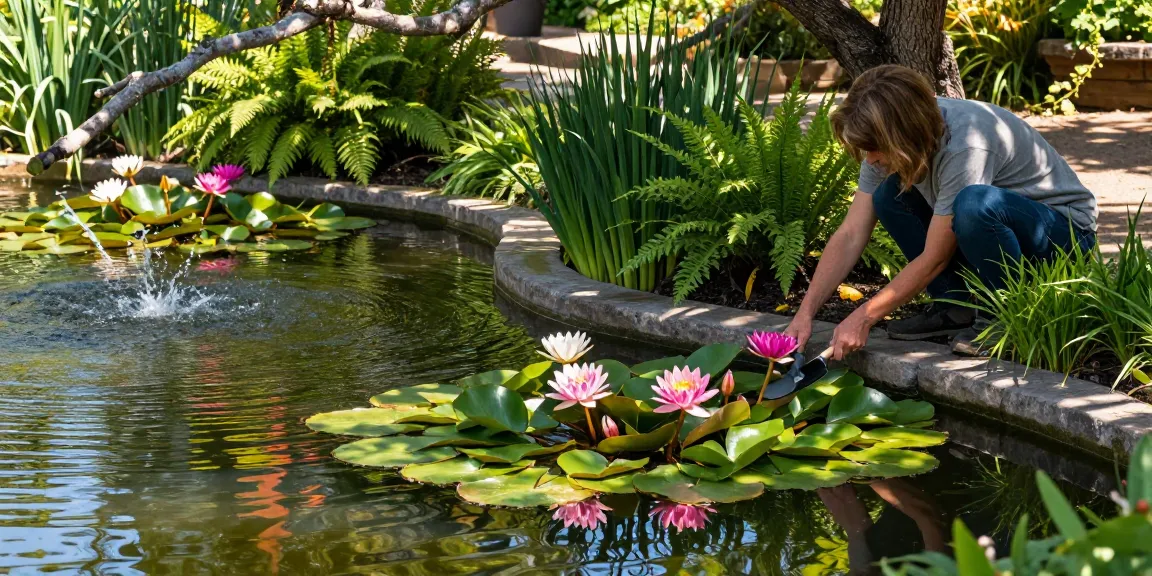
Understanding Water Lilies: A Beginner’s Guide
Water lilies are not just beautiful aquatic plants; they are essential components of many garden ponds, providing aesthetic appeal and ecological benefits. With over 60 species and numerous hybrids available, these plants come in a variety of shapes, sizes, and colors, making them a favorite among gardening enthusiasts. Whether you’re a novice gardener looking to enhance your aquatic garden or a seasoned expert searching for specific varieties, knowing where and how to Buy Water Lilies can significantly impact your gardening success.
What Are Water Lilies? Overview and Varieties
Water lilies, scientifically classified under the family Nymphaeaceae, are perennial flowering plants that thrive in fresh and stagnant water. They are recognized for their broad, flat leaves that float on the water’s surface and their stunning flowers that emerge above the water. The most common varieties include:
- Hardy Water Lilies: Adaptable to various climates, these require a winter dormancy period. They are perfect for established ponds and are available in colors ranging from white to deep red.
- Tropical Water Lilies: These need warmer temperatures and are often grown as annuals in cooler climates. Tropical varieties showcase vibrant hues and are typically larger than their hardy counterparts.
- Dwarf Water Lilies: Ideal for smaller ponds or containers, these varieties maintain a compact size while still offering beautiful blooms.
Benefits of Adding Water Lilies to Your Aquatic Garden
Integrating water lilies into your pond not only enhances the visual appeal but also offers numerous ecological benefits. Here are several reasons to consider:
- Oxygen Production: Through photosynthesis, water lilies release oxygen into the water, improving the health of your pond and supporting other aquatic life.
- Shade and Shelter: Their broad leaves provide shade that cools the water, helping to suppress algae growth and creating suitable conditions for fish and other aquatic organisms.
- Wildlife Attraction: These plants attract various wildlife, including pollinators like bees and butterflies, as well as birds that visit for shelter and food.
Common Misconceptions About Water Lilies
Many people harbor misconceptions about water lilies that can lead to poor gardening choices. Some common myths include:
- All Water Lilies Are Invasive: While some species can spread quickly, many water lilies are manageable and beneficial for pond ecosystems.
- They Only Bloom in Summer: Certain hardy varieties bloom in cooler temperatures, expanding the blooming season beyond the traditional summer months.
- Water Lilies Are Difficult to Care For: With proper knowledge, water lilies can flourish with minimal maintenance, making them suitable for both novice and experienced gardeners.
How to Buy Water Lilies: Expert Tips
Purchasing water lilies can seem overwhelming given the multitude of choices available. However, understanding the various factors can simplify your buying experience. Here are some expert tips to help you choose the right plant for your pond.
Choosing the Right Water Lily for Your Pond Environment
Before making a purchase, assess your pond’s conditions. Factors to consider include:
- Depth: Determine the depth of your pond, as different varieties require different planting depths.
- Sunlight: Assess how much sunlight your pond receives throughout the day. Most water lilies thrive in full sun (at least 6 hours), while some varieties can tolerate partial shade.
- Climate: Hardy water lilies are well-suited for temperate climates, while tropical varieties need warmer conditions.
Online vs. Local Nurseries: Where to Buy
When it comes to purchasing water lilies, both online and local nurseries have their advantages. Online retailers may offer a wider variety and competitive prices, whereas local nurseries provide the opportunity to ask questions and see plants before buying. Consider your comfort level and research local options for the best purchase experience.
Evaluating Quality: What to Look for When Purchasing
Regardless of where you buy your water lilies, assessing the quality is crucial. Look for healthy foliage that shows no signs of yellowing or spots, and ensure the roots are firm and free from rot. Choosing well-established plants will yield better growth in your pond.
Planting and Caring for Your Water Lilies
Optimal Planting Techniques and Depth
Once you’ve selected your water lilies, proper planting techniques are essential for their success. Place your water lilies in pots filled with aquatic soil rather than regular potting soil to prevent sediment from clouding your pond. The planting depth varies between species:
- Hardy Water Lilies: Plant between 6-18 inches deep.
- Tropical Water Lilies: Plant at a depth of 12-24 inches.
Water Quality and Its Impact on Growth
The quality of your pond water significantly influences the growth and health of your water lilies. Regular testing for pH levels, ammonia, and nitrates can help maintain a safe environment. Ideally, water lilies thrive in slightly acidic to neutral pH levels (6.5-7.5).
Seasonal Care: Maintaining Your Water Lilies Year-Round
Maintaining your water lilies involves seasonal adjustments. In spring, monitor for new growth and remove any dead leaves. In summer, ensure they receive adequate sunlight and nutrients. As winter approaches, it’s crucial to prepare your hardy water lilies for dormancy by trimming back foliage and ensuring they are at the appropriate depth.
Common Challenges in Water Lily Cultivation
Pests and Diseases: How to Protect Your Plants
Water lilies can be susceptible to pests such as aphids and spider mites, as well as diseases like crown rot. Regularly inspect your plants for signs of distress, and use organic pest control methods whenever possible to maintain a healthy ecosystem.
Dealing with Overgrowth and Maintenance Issues
Overgrowth can become a challenge if your water lilies are allowed to spread unchecked. Regularly trim back excess foliage and divide your plants every few years to keep them healthy and manageable.
Environmental Factors: Climate Considerations
The climate can play a significant role in the success of your water lilies. In regions with harsh winters, ensure that hardy varieties are planted deep enough to survive freezing conditions. Tropical varieties should be brought indoors or into a greenhouse during colder months.
The Future of Water Lily Cultivation: Trends for 2026
Innovative Techniques in Aquatic Plant Care
The future of water lily cultivation is promising, with innovative techniques emerging to enhance plant care and growth. Hydroponic gardening methods are gaining popularity, allowing for more controlled environments to grow water lilies, potentially increasing yields and reducing pests.
Emerging Varieties and Hybrid Water Lilies
Breeders are continually developing new hybrid water lilies that offer unique blooms and improved resilience. In 2026, expect to see varieties that can thrive in varying climates and showcase novel color patterns.
Sustainable Practices for Eco-Friendly Gardening
As awareness around sustainable gardening grows, many enthusiasts are adopting eco-friendly practices in water lily cultivation. This includes using organic fertilizers and implementing water conservation techniques to maintain a balanced pond ecosystem.
What are the best water lily varieties for beginners?
For those new to gardening, hardy varieties such as Nymphaea ‘Perry’s Fire Opal’ or Nymphaea ‘Pink Sensation’ are excellent choices. They are typically more forgiving and easier to maintain.
How often should I replace my water lilies?
Water lilies generally need to be replaced every 3 to 5 years as they can become pot-bound, limiting their growth. Regular division helps manage their size and keeps the plants healthy.
Can water lilies grow in smaller ponds?
Yes, dwarf varieties are specifically bred for smaller ponds or containers. Ensure that the pot size and water depth are appropriate for the specific dwarf variety you select.
What pests are common with water lilies?
Aphids, spider mites, and snails are among the common pests that can affect water lilies. Regular monitoring and timely interventions are critical to preventing infestations.
How can I over-winter my water lilies effectively?
In colder climates, consider relocating your water lilies to the deepest part of the pond or bringing them into a protected environment to ensure they survive the winter. Proper winter care is vital to their successful regrowth.