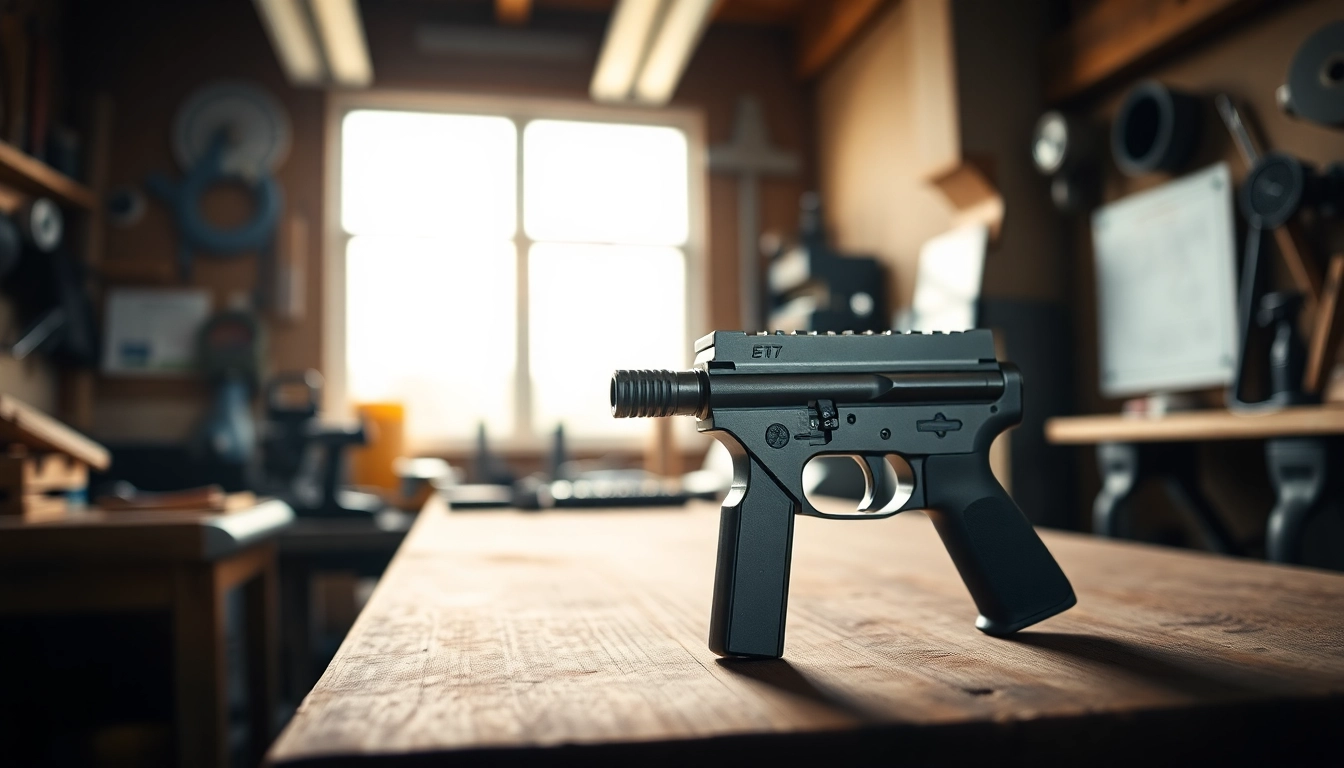
What is a Forced Reset Trigger?
Definition and Functionality
A Forced reset trigger is a specialized component designed to enhance the firing capabilities of firearms by allowing rapid reset and firing without the need for a deliberate trigger pull. This mechanism works by using a unique design that forces the trigger back to its original position after each shot, enabling users to achieve a higher rate of fire. Essentially, with a forced reset trigger, once the firearm is discharged, the shooter can pull the trigger again quickly without moving it fully back to the original resting position. This innovative design not only fosters faster firing but also reduces the amount of movement needed, making it attractive for competitive shooters and enthusiasts alike.
How It Differs from Traditional Triggers
Traditional triggers operate under a linear motion paradigm, requiring the shooter to pull the trigger completely to fire a shot, then reset it. This traditional method can slow down the shooting process significantly. In contrast, the forced reset trigger incorporates a mechanism that allows for a shorter trigger travel distance. Because of this, shooters can maintain their aim and alignment, achieving a more fluid shooting experience.
Additionally, traditional triggers can lead to increased fatigue over prolonged shooting sessions, while the forced reset trigger significantly reduces the physical effort required by the shooter, thus enhancing overall shooting performance and enjoyment.
Components and Design
The design and components of a forced reset trigger play a critical role in its effectiveness. Key components include a unique trigger mechanism, a sear that allows for the rapid reset, and often, an adjustable pre-travel system. The materials used in the construction can vary, but high-quality metals and polymers are frequently employed to ensure durability and reliability under various conditions.
Understanding these components can aid gun owners and enthusiasts in making informed decisions when selecting and installing a forced reset trigger, maximizing their firearm’s potential.
Benefits of Using Forced Reset Trigger
Improved Rate of Fire
One of the most significant advantages of the forced reset trigger is its ability to facilitate an improved rate of fire. This capability allows shooters to unleash a barrage of rounds with minimal resistance, which is particularly beneficial in competitive shooting scenarios. This efficient firing mechanism affords shooters the potential to gain an edge over competitors or in critical self-defense situations where every second counts.
Enhanced Accuracy Potential
Accuracy is paramount in shooting sports and self-defense. The forced reset trigger can enhance accuracy by allowing shooters to maintain better control while rapidly firing. Since the trigger resets quickly and stays closer to the shooter’s finger position, it minimizes the time taken to realign sights for subsequent shots. This streamlined process ensures that even as the shooter works quickly, their aim can remain consistent, leading to better outcomes.
Flexibility in Different Firearms
Forced reset triggers are designed to be adaptable and can often be installed in various firearm models. This flexibility means that shooters can upgrade their existing firearms without needing to purchase entirely new systems. This enhanced compatibility offers a practical solution for firearm enthusiasts looking to maximize their weapon's performance without significant investment.
Installation and Implementation
Choosing the Right Model
When selecting a forced reset trigger, it is essential to choose a model that is compatible with your specific firearm. Different firearms operate under unique mechanisms, so understanding your model's specifications is crucial. Consider factors such as the type of shooting you intend to engage in—competitive shooting may require quicker resetting mechanisms than casual plinking. Research and reviews can play a vital role in identifying the right model for your needs.
Step-by-Step Installation Guide
Installing a forced reset trigger can vary considerably based on firearm type. However, general steps include:
- Ensure that your firearm is unloaded and cleared.
- Disassemble the firearm according to the manufacturer’s instructions.
- Remove the existing trigger assembly.
- Carefully install the forced reset trigger according to specific manufacturer instructions, ensuring proper alignment of components.
- Reassemble the firearm.
- Conduct a functionality test to ensure proper operation.
Always refer to the user manual specific to your trigger and firearm for tailored instructions. If unsure, seeking professional assistance is recommended.
Common Mistakes to Avoid
Several pitfalls can occur during installation. One common mistake is failing to fully understand the unique mechanics of the forced reset trigger, which could lead to improper installation. Additionally, neglecting to check for compatibility with the firearm can result in malfunctions. To avoid these issues, always consult guides, check compatibility thoroughly, and if possible, consult with experienced users or professionals in the field.
Performance Metrics of Forced Reset Trigger
Testing and Calibration
After installation, testing and calibrating the forced reset trigger are essential for optimized performance. Calibration ensures that the trigger resets accurately and consistently with minimal effort from the shooter. Regular testing can also help identify any need for adjustments to maintain precise functionality, especially in competitive environments where every shot counts.
Comparative Analysis with Other Triggers
In comparison to traditional and other aftermarket triggers, forced reset triggers stand out due to their unique mechanism. While standard triggers may offer simplicity, they do not provide the quick follow-up shot capability intrinsic to forced reset triggers. Evaluating performance metrics such as rate of fire, ease of use, and adaptability can help prospective buyers make an informed decision.
User Feedback and Performance Reviews
User reviews play a pivotal role in determining the practicality and overall satisfaction level associated with a forced reset trigger. Many users report increased shooting enjoyment and enhanced performance outcomes. Constructive feedback, whether positive or critical, allows potential users to understand common issues and advantages before making a purchasing decision.
FAQs About Forced Reset Trigger
What makes a forced reset trigger superior?
A forced reset trigger allows for a faster rate of fire and reduces shooter fatigue, enabling quicker follow-up shots compared to traditional triggers.
Can I install a forced reset trigger myself?
Yes, many users install them independently, but it's advisable to follow specific manufacturer instructions and consult professionals if unsure.
Are there legal restrictions to using forced reset triggers?
Yes, regulations vary by jurisdiction. Always check local laws to ensure compliance before purchasing or installing one.
How do I maintain a forced reset trigger?
Regular cleaning and lubrication are essential. Periodic testing ensures the trigger functions properly, addressing issues promptly.
What firearms are compatible with forced reset triggers?
Compatibility depends on the model of the trigger. Many forced reset triggers are designed for specific firearm types; always verify with the manufacturer.