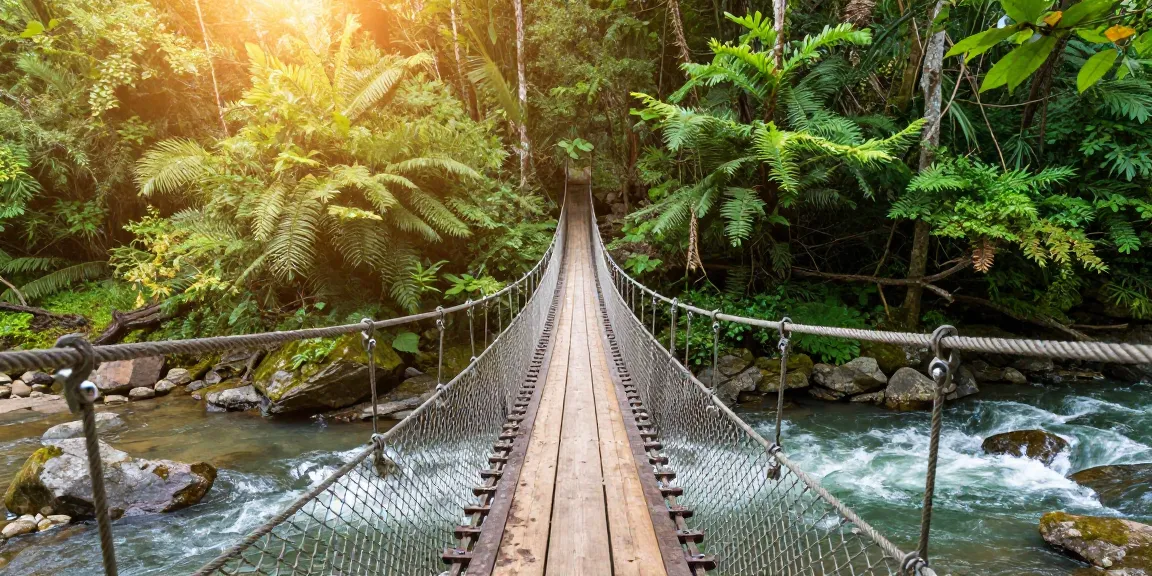
Understanding River Rope Bridges
River rope bridges, a blend of practicality and adventure, have been serving communities across the globe for centuries. These bridges allow access to remote regions, providing safe passage over rivers where traditional infrastructure may not be feasible. They bring a unique aesthetic as well, often becoming landmarks in their own right, admired by adventure seekers and nature lovers alike. When exploring options, River Rope Bridge solutions offer comprehensive insights for anyone considering such structures.
What Is a River Rope Bridge?
A river rope bridge is a type of suspension bridge where the roadway is supported by cables or ropes. Typically constructed with flexible materials, these bridges can adapt to movements and changes in the environment, making them ideal for spanning rivers and other obstacles. They often consist of two main components: the main suspension cables, which bear the weight of the bridge, and the decking, which provides a surface for crossing. The design of a river rope bridge can vary significantly based on its intended use and the surrounding landscape.
The Benefits of Using a River Rope Bridge
Utilising a river rope bridge comes with numerous advantages. Firstly, these bridges are more cost-effective to construct than traditional bridges, especially in areas where heavy machinery cannot access. Secondly, they are often quicker to install since they require fewer materials and less specialised equipment. Beyond logistics, river rope bridges can enhance the experience of outdoor enthusiasts, providing an exhilarating way to explore natural landscapes.
Common Materials and Designs for River Rope Bridges
Common materials for constructing river rope bridges include high-strength ropes, steel cables, and wood. The choice of materials directly impacts the durability and safety of the bridge. For instance, polyethylene ropes are popular due to their lightweight yet strong properties. Design-wise, some bridges are simple two-rope structures, while others may feature a more complex arrangement with multiple support cables for increased stability. Effective design considers not only aesthetics but also the potential for wear and environmental impacts.
Cost Factors for River Rope Bridges
Many factors contribute to the overall cost of constructing a river rope bridge, making it essential to conduct thorough planning and budgeting. Material choices, the complexity of design, and location accessibility all play crucial roles in determining expenses.
Material Costs for Rope Bridges
The cost of materials can vary significantly based on quality and availability. High-quality ropes and cables are essential for ensuring safety and longevity. On average, the cost of materials may range from £50 to £200 per linear metre, depending on the specifications required.
Installation and Labour Expenses
Installation costs will depend on the location of the bridge and the expertise of labour required. Hiring skilled professionals ensures that the bridge is designed and constructed safely. Labour costs can vary widely, but it is not unusual for the total installation expenses to reach 30% of the overall budget.
Maintenance Costs Over Time
Maintenance is a critical factor in the longevity of a river rope bridge. Regular inspections and maintenance can help identify wear and tear before they lead to significant issues. Budgeting for ongoing maintenance—estimated at around 10% of the initial construction cost annually—is essential for ensuring the bridge remains safe and functional over the years.
Choosing the Right River Rope Bridge
Selecting the appropriate river rope bridge for your needs involves careful consideration of various factors to ensure it meets functional and aesthetic requirements.
Assessing Your Needs: Length and Width
Before undertaking the construction of a river rope bridge, one must assess the specific requirements, including its length and width. This assessment is crucial not only for the bridge's structural integrity but also for accommodating the expected foot traffic.
Design Considerations for Safety and Aesthetics
Safety should always be the primary concern when designing a river rope bridge. Balance must be struck between structural integrity and aesthetic appeal. Consider incorporating non-slip surfaces and safety rails to enhance user experience while also ensuring compliance with local regulations.
Regulations and Permissions for Construction
Always check local laws and regulations before starting construction. Permits may be required, especially if the bridge crosses protected lands or bodies of water. Engaging with local authorities early in the planning process can smoothen the path to getting the necessary approvals.
Real-World Examples and Case Studies
Case studies of successful river rope bridges can provide valuable insights into the design and construction process, highlighting successful projects and common pitfalls.
Successful River Rope Bridge Projects
Bridges like the iconic Carrick-a-Rede Rope Bridge in Northern Ireland offer excellent examples of how these structures can enhance tourism and local communities. Such projects typically showcase how proper planning and community involvement can lead to beneficial outcomes.
Lessons Learned from Bridge Installations
Reviewing past installations can reveal essential lessons regarding practical challenges, community impact, and design considerations. Understanding common issues allows future projects to avoid similar pitfalls, streamlining the bridge-building process.
Community Benefits of River Rope Bridges
River rope bridges often serve as vital links between communities. They not only enhance accessibility but can also foster community spirit by encouraging outdoor activities and tourism. For example, a local community may establish scenic trails connecting various attractions using a rope bridge, increasing foot traffic and local business opportunities.
Future Trends in River Rope Bridge Construction
As technology and materials evolve, the future of river rope bridges looks promising, with several trends on the horizon that can impact their development.
Innovative Materials and Techniques
Future designs may incorporate advanced materials like carbon fibre and composite materials, enhancing strength without adding significant weight. Additionally, innovative techniques such as modular construction could streamline the building process and reduce costs.
Environmental Considerations and Sustainability
With rising environmental awareness, future bridge projects will likely prioritise sustainability. This may include utilising eco-friendly materials and ensuring minimal impact on local ecosystems during construction.
Predictions for River Rope Bridge Use in 2026
Looking ahead, it is reasonable to predict that river rope bridges will grow in popularity, particularly in areas where environmental considerations push for sustainable and low-impact infrastructure. More outdoor recreational spaces may incorporate these structures, appealing to adventure tourism.
What Are the Risks of Building a River Rope Bridge?
Despite their benefits, constructing river rope bridges comes with risks, including potential environmental changes, extreme weather, and structural failures if not properly designed and maintained. Comprehensive risk assessments are crucial before any project initiation.
How Do I Maintain a River Rope Bridge?
Routine inspections are a must for maintaining river rope bridges. Regular checks for wear, including frayed ropes or damaged decking, are essential. Maintenance extends to ensuring that surrounding vegetation does not encroach on critical structure components.
What Are the Most Popular Designs for River Rope Bridges?
Popular designs include traditional single-rope bridges and dual-rope bridges, each offering different experiences and safety levels. The design choice often hinges on the intended user demographic and the location's unique requirements.
What Should I Consider Before Building a Rope Bridge?
Consideration must be given to the location, environmental impact, intended use, and potential user experience. Engaging with the community can also provide valuable feedback on design preferences and needs.
How Long Does a Rope Bridge Last?
The lifespan of a river rope bridge can vary widely based on materials and usage. Generally, a well-maintained rope bridge can last anywhere from 10 to 50 years, making regular maintenance essential for longevity.