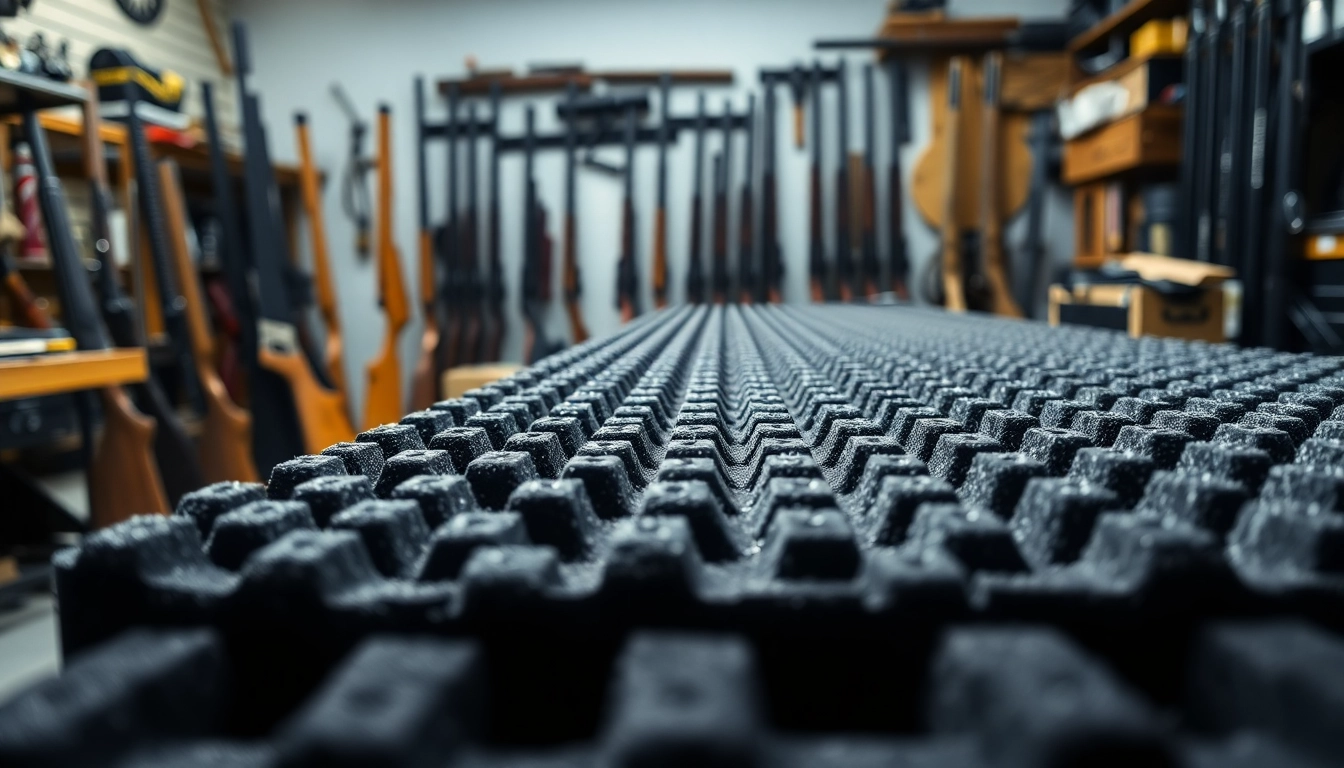
Understanding Foam for Rifle Case
When it comes to transporting your rifle safely and securely, choosing the right foam for rifle case is essential. Protection against impact, dust, and moisture can significantly extend the lifespan of your firearm. In this comprehensive guide, we will delve deeply into the various factors related to foam for rifle cases, enabling you to make informed choices for your firearm’s protection.
What is Foam for Rifle Case?
Foam for rifle cases typically refers to the interior cushioning material specifically designed to cradle and protect rifles during transportation. This foam serves as a barrier against shocks, impacts, and potential scratches, ensuring that your firearm remains in optimal condition. Various types of foam are utilized, including polyurethane foam, polyethylene foam, and custom-cut designs, each catering to different needs.
Benefits of Using Foam for Rifle Case
Choosing the right foam for your rifle case provides several advantages:
- Protection: Foam acts as a cushioning layer that absorbs shocks and impacts, minimizing damage to your firearm.
- Custom Fit: Depending on the foam type, it can be custom-cut to fit the exact dimensions of your rifle, providing maximum security.
- Moisture Resistance: Certain foams are designed to resist moisture, keeping your firearm dry and free from corrosion.
- Weight Reduction: Foam is lightweight, ensuring your rifle case isn’t excessively heavy while still offering protective qualities.
- Versatility: Foam can often be modified to accommodate additional items, such as magazines or cleaning tools, enhancing your case’s functionality.
Types of Foam for Rifle Case
There are primarily three types of foam used in rifle cases: Polyurethane foam, polyethylene foam, and convoluted foam. Each has unique properties suited for different needs:
- Polyurethane Foam: Known for its soft and cushy feel, polyurethane foam provides excellent shock absorption and can be easily custom-cut to fit various rifle shapes.
- Polyethylene Foam: This foam is firmer and more durable, ideal for high-impact environments. It offers better resistance to moisture and can be more protective during transportation.
- Convoluted Foam: Often referred to as egg-crate foam, this variety helps in dispersing forces and minimizing impact, making it suitable for delicate items.
Key Features to Look for
Density and Durability
The density of foam plays a significant role in its durability and performance. Higher density foams can withstand more pressure and provide superior protection, making them a better option for frequent travelers or those exposing their rifles to harsh environments. It’s important to consider your usage patterns when selecting foam, as denser options may offer longevity but could add weight.
Custom Cut Options
Having foam custom-cut ensures that your rifle fits perfectly within the case. This detailed fitting is crucial for preventing movement during transport, which can lead to scratches or other forms of damage. Many manufacturers offer custom cutting services based on specifications you provide, enhancing both protection and usability.
Water Resistance and Maintenance
When selecting foam, consider water-resistant options, especially if you may be traveling in damp conditions. Water-resistant foams can help prevent mold and mildew growth when protecting your firearm, thus increasing its life expectancy. Regular maintenance such as cleaning with appropriate materials will ensure your foam remains effective over time.
How to Measure Your Rifle for Foam Fitting
Tools Needed for Accurate Measurement
To accurately measure your rifle for foam fitting, you’ll need a few tools: a tape measure, a notepad for recording measurements, and possibly calipers for more precise dimensions, particularly for unique shapes or accessories. Ensure you measure both the length and width of your rifle including any attachments like scopes.
Step-by-Step Measurement Guide
Follow these steps to measure your rifle accurately:
- Remove any attachments from your rifle.
- Place the rifle on a flat surface for stability.
- Use the tape measure to record the overall length from the tip of the barrel to the end of the stock.
- Measure the widest point of the rifle to determine the width.
- Note any unique shapes or parts that might need special attention in the foam design.
Common Measurement Mistakes and How to Avoid Them
A few common mistakes can lead to poor-fitting foam. One frequent error is not accounting for attachments; including the length of a scope or additional sights can significantly affect measurements. Additionally, failing to measure both the length and width accurately may result in a compromised fit. Always double-check your measurements and consult reference guides if available.
Installation and Customization Tips
Installing Foam into Your Rifle Case
Once you’ve received your custom foam, the installation process is straightforward. Begin by placing the foam pieces in the case according to their designated spots. Ensure a snug fit to prevent any movement. If the foam allows, you may consider using adhesive to secure it further, although many cases are designed to hold the foam in place without additional materials.
Creative Customization Ideas
Customization can enhance both the aesthetic and practical aspects of your rifle case. Consider adding cut-outs for accessories, such as magazines or cleaning kits, for convenience. Alternatively, you can create different layers of foam for various rifles or gear, allowing for quick changes depending on your activity.
Maintaining the Foam in Optimal Condition
Proper maintenance ensures the longevity of your foam. Regularly inspect it for signs of wear and tear, particularly after extensive use. Cleaning can be accomplished with a damp cloth and mild detergent, ensuring you do not soak the foam entirely. For thick soiled areas, gentle scrubbing can help, but avoid harsh chemicals that could degrade the foam’s structure.
FAQs about Foam for Rifle Case
What is the best foam for a rifle case?
The best foam depends on your specific needs. Polyethylene foam offers great durability and impact resistance, while polyurethane foam provides cushioning. Each serves distinct purposes effectively.
Can I customize my foam for specific rifle models?
Yes, many manufacturers offer custom-cut foam designed specifically for various rifle models. This ensures a perfect fit and superior protection.
How do I clean and maintain my foam?
Use a mild detergent with a damp cloth to clean foam. Avoid soaking and harsh chemicals to maintain structure and longevity. Regular inspections are advised.
Are there waterproof options available?
Yes, some foam types are specifically designed to be water-resistant, providing added protection against moisture and helping to prevent mold growth.
How long does high-density foam last?
High-density foam can last many years with proper maintenance, typically around 5 to 10 years, depending on usage and environmental factors.