Understanding Black and Grey Tattoo Techniques
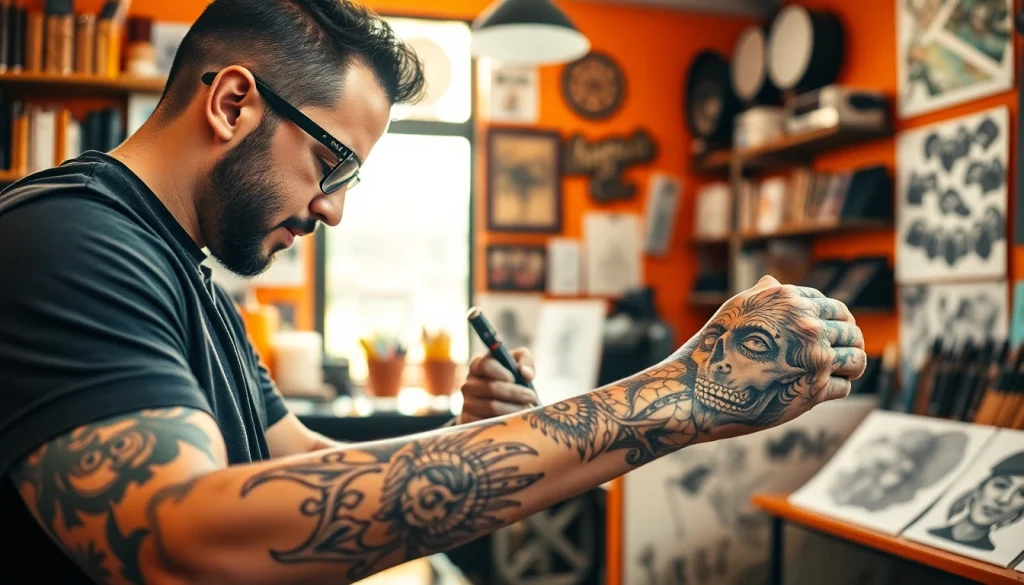
When it comes to body art, black and grey tattoos stand out as a profound means of personal expression, celebrating individuality through intricate designs. An art form that tells stories, communicates emotions, and connects to cultural roots, black and grey tattoos have gained immense popularity worldwide. For those interested in exploring this captivating art style, Jairoramirezart.com offers an excellent gateway into the world of masterful tattoo artistry, where each piece reflects unique narratives.
The Origins of Black and Grey Tattoos
Black and grey tattoos have historical roots that can be traced to several tribal cultures around the globe. In particular, this style has its origins in the traditional methods of indigenous peoples who utilized natural pigments and tools to craft their body art. The ability to create detailed designs using just black ink and varying shades of grey adds depth and intensity to tattoo artistry.
This style matured significantly during the late 20th century when the tattoo community began experimenting with shading techniques and different needle configurations. It was also influenced by the explosion of interest in tattoo culture post-World War II, where service members brought back various styles, including black and grey. This evolution fostered a distinctive identity characterized by intricate detailing that conveys stark contrasts and intricate narrative threads.
Essential Tools for Black and Grey Tattoos
Creating stunning black and grey tattoos requires specialized tools that enhance both precision and artistry. Artists typically utilize:
- Tattoo Machines: Coil machines and rotary machines are the most commonly used. Each type serves different purposes and styles. Coil machines are highly versatile, while rotary machines provide smooth shading capabilities.
- Needles: Configuring needle groupings to achieve desired line work and shading is crucial. Smaller needles provide more precision for details, whereas larger groupings are optimal for shading.
- Inks: High-quality black ink is vital for deep, saturated lines, while grey wash inks allow for various shading effects, from light to dark, enhancing depth in the artwork.
Techniques That Define Black and Grey Art
The artistry involved in black and grey tattoos is defined by several foundational techniques:
- Line Work: Clean, precise lines are essential for outlining designs. This establishes the foundational framework for the tattoo.
- Shading: This technique involves gradation from dark to light. It’s crucial for creating dimension and enhancing the tattoo's overall aesthetic impact.
- Dotwork: This method uses small dots to create texture and shading, providing a unique visual effect that adds depth and intricacy.
- Blackout: An emerging trend where large areas of skin are filled entirely with solid black ink, often used to contrast other art pieces or to cover existing tattoos.
Choosing the Right Tattoo Design
Choosing the right tattoo design is a personal journey that reflects not just aesthetic preferences, but also deeper narratives and emotions. The design should encapsulate your unique story, beliefs, or milestones that resonate with you.
Personal Stories Translated into Art
Many individuals opt for tattoos that symbolize key moments in their lives, be it love, loss, triumph, or transformation. The stories behind each tattoo can be deeply personal, offering an opportunity to express your identity and experiences. For example, a tribute to a loved one may be illustrated with meaningful symbols or dates, woven together into a design that represents an enduring connection.
Popular Themes in Black and Grey Tattoos
Some popular themes resonate particularly well within the black and grey tattoo community, including:
- Nature: Flora and fauna designs that reflect the beauty of the natural world.
- Religious Symbols: Spiritual themes that offer comfort and express belief.
- Portraits: Realistic depictions of people that encapsulate emotional depth.
- Abstract Designs: Interpretations that convey an artist's creativity and individuality.
Custom vs. Flash Designs: Which to Choose?
When selecting a tattoo design, you may find yourself weighing the benefits of custom art versus flash designs. Custom designs allow for personalized interpretations, tailored directly to your narrative and preferences. Meanwhile, flash tattoos—pre-designed artworks commonly displayed in studios—can provide immediate inspiration and showcase an artist's distinct style. Ultimately, the choice depends on your personal vision and the story you wish to tell.
Working with Your Tattoo Artist
Building a rapport with your tattoo artist is essential to ensure that your vision is accurately translated into art. Clear communication and mutual trust can enhance the overall experience as you embark on this artistic journey together.
How to Communicate Your Ideas Effectively
When approaching your artist, it's important to articulate your ideas, inspirations, and desired outcomes. Sharing reference images, while expressing the emotions and narratives behind them, offers a foundation for collaboration. Be open to your artist's feedback, insights, and suggestions as they bring their expertise into the fold.
Understanding Artist Styles and Specializations
Familiarize yourself with the unique style of your chosen artist. Each artist brings their flair, perspective, and specialization to their work. Reviewing their portfolio can provide insight into their strengths, ensuring that your vision aligns with their capabilities. This understanding is crucial for achieving the tattoo you desire.
What to Expect During Your Session
Understanding the tattooing process is key to managing expectations. During your session, you can expect your artist to prepare the workspace, set up their tools, and ensure all safety protocols are followed. Each session is unique, but it typically involves outlining, shading, and aftercare discussions. A skilled artist will prioritize your comfort, ensuring the experience is as enjoyable as possible.
Aftercare Tips for Your New Tattoo
The aftercare of a new tattoo is critical for ensuring its longevity and vibrancy. Proper care will minimize the risk of infection and can help preserve the integrity of the ink over time.
Importance of Proper Tattoo Aftercare
Adhering to aftercare instructions provided by your artist promotes healthy healing and minimizes complications. Proper care helps avoid issues like fading, scabbing, or infection, ensuring your new tattoo functions as intended.
Common Mistakes to Avoid After Getting Inked
Avoiding direct sunlight, scratching, and soaking your tattoo are critical. Swim and sauna should be off-limits during the initial healing phase. It's crucial to keep the tattoo clean and moisturized according to the artist's guidelines to foster optimal healing.
Secondary Treatments for Tattoo Longevity
To maintain the vibrancy of your tattoo long-term, consider using specialized tattoo moisturizers or sunscreens to prevent fading. Regular hydration and appropriate skin care can also contribute to preserving your tattoo’s clarity and detail over the years.
Frequently Asked Questions About Tattoos
How can I prepare for my first tattoo?
Preparation involves researching your desired tattoo, understanding the process, discussing it with a professional, and staying hydrated. Consider your pain tolerance and avoid alcohol beforehand.
How long does it take for a tattoo to heal?
Typically, a tattoo takes 2-3 weeks to heal. However, initial healing might appear complete sooner, so follow any aftercare guidelines for optimal care beyond this period.
Can I bring my own design for a tattoo?
Absolutely! Many artists appreciate when clients bring in custom designs or ideas for inspiration, as it helps in creating a piece that is uniquely personal to you.
What is the cost range for black and grey tattoos?
Costs vary widely based on size, detail, and artist experience. Generally, small pieces can range from $100 to $300, while large or intricate designs may cost significantly more, depending on the time involved.
How can I minimize tattoo pain during the process?
To reduce discomfort, ensure you are well-rested and avoid alcohol. Staying hydrated and employing breathing techniques can also ease the experience. Speak with your artist if you feel too much discomfort during the session.