Understanding the Basics of Architecture and Design
Architecture and design are vital components of our built environment, shaping the way we live, work, and interact. As we delve deeper into these fields, it becomes essential to grasp the nuances that define modern architecture and effective design. From the aesthetics that draw us in to the functional aspects that enhance our daily lives, the relationship between form and function is more critical than ever. When exploring options, https://rokok88.net provides comprehensive insights into contemporary approaches that harmonize these elements.
What is Modern Architecture?
Modern architecture emerged in the early 20th century, characterized by minimalism, simplicity, and functionality. It rejects ornate styles of the past in favor of clean lines, open spaces, and the innovative use of materials. Notable figures like Le Corbusier and Frank Lloyd Wright pioneered designs that prioritized both aesthetics and utility. Today, modern architecture also embraces sustainability, integrating eco-friendly practices and materials to respond to environmental challenges.
Key Elements of Effective Design
Effective design encompasses several elements that work together to create functional and aesthetically pleasing spaces. These include:
- Balance: The visual stability achieved by distributing elements evenly.
- Contrast: Highlighting differences in color, size, or shape to create interest.
- Rhythm: The repetition of elements to create movement throughout a space.
- Scale and Proportion: Ensuring that spaces and objects relate well to each other and the human experience.
- Harmony: Unifying all aspects of design to promote coherence and comfort.
Common Misconceptions About Home Design
Many people hold misbeliefs about home design that can hinder the creation of their dream spaces. A few common misconceptions include:
- “Design is only about aesthetics.” In reality, effective design marries beauty with functionality.
- “Small spaces can’t be stylish.” Small areas can be designed creatively to maximize both space and style.
- “You need a big budget for good design.” Creativity and resourcefulness can lead to beautiful results without breaking the bank.
Innovative Trends in Home Design for 2026
As we look towards 2026, the landscape of home design is evolving rapidly, influenced by shifting lifestyle needs and technological advancements. Homeowners are increasingly seeking spaces that offer flexibility, sustainability, and smart features. Here are some standout trends shaping this new era of design.
Adapting to New Lifestyle Needs
The pandemic has redefined how we view our living spaces, ushering in a demand for homes that accommodate remote work, relaxation, and socialization within a single environment. Designs are now focusing on multifunctional spaces that can easily transition between work and leisure.
Sustainable Design Practices
With climate change concerns at the forefront, sustainable design practices are no longer optional; they are essential. Homeowners are prioritizing energy efficiency, using sustainable materials, and designing homes that minimize their carbon footprints. Passive solar design, green roofs, and rainwater harvesting systems are gaining popularity among eco-conscious builders.
Smart Home Integration in Architecture
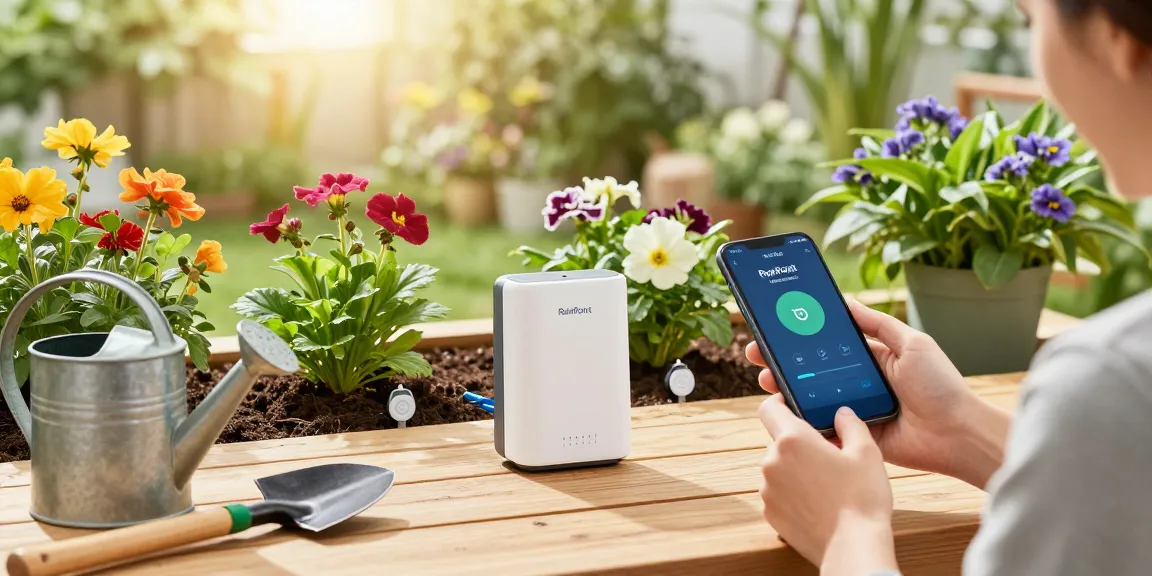
As technology advances, integrating smart home features into architecture is becoming commonplace. From automated lighting and climate control systems to advanced security measures, home designs are increasingly accommodating these innovations. Smart homes not only enhance comfort and convenience but also improve energy efficiency, aligning with modern lifestyle demands.
Creating Functional Spaces
Creating functional spaces is a fundamental goal of any design project. It involves maximizing usability while maintaining a sense of style. Achieving this balance requires strategic planning and innovative thinking.
Maximizing Small Living Areas
In urban settings where space is at a premium, maximizing small living areas becomes critical. Techniques such as multi-functional furniture, built-in storage solutions, and open-concept layouts can dramatically enhance the usability of limited square footage.
Multi-Purpose Rooms: A Modern Approach
Gone are the days of strictly designated rooms. Modern homes are leaning towards multi-purpose spaces that can serve various functions. A guest room that doubles as a home office or a living room that transforms into a workout area exemplifies this trend.
Balancing Aesthetics and Practicality
While aesthetic appeal is crucial, it should not compromise functionality. Striking the right balance ensures that spaces are not only pleasing to the eye but also practical for everyday use. Thoughtful selections of materials, furnishings, and layouts can achieve this equilibrium.
Tools and Resources for Aspiring Designers
If you're an aspiring designer, a wealth of tools and resources can help you hone your skills and broaden your knowledge. Utilizing the right technology and references is key to thriving in this competitive field.
Essential Design Software and Applications
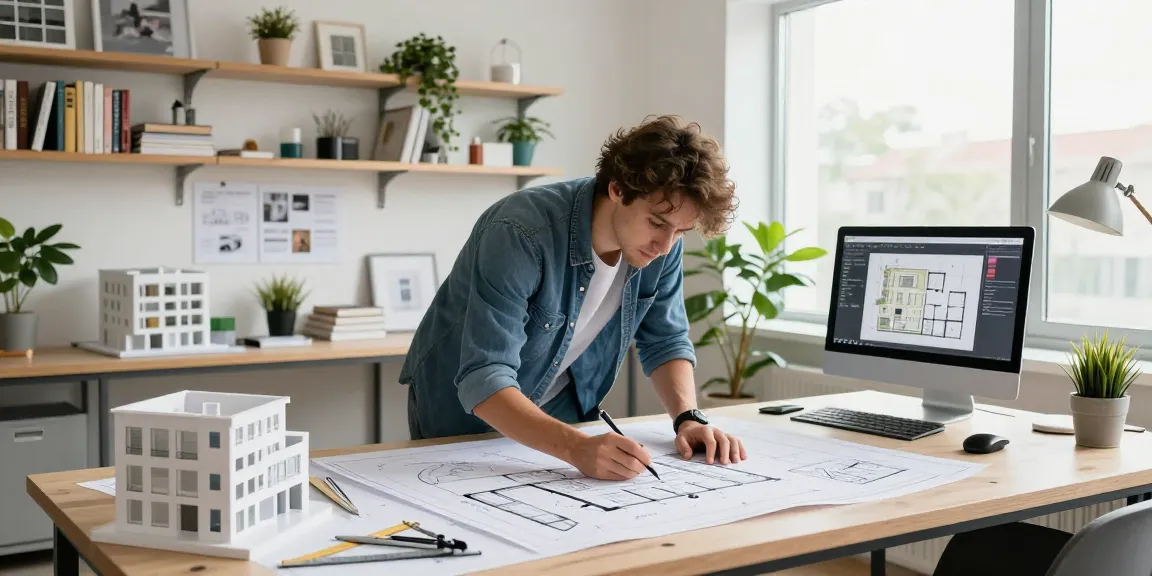
Design software plays a pivotal role in modern architecture. Applications like AutoCAD, SketchUp, and Revit allow designers to create detailed plans and 3D models, making the visualization process seamless. Familiarizing yourself with these tools can significantly enhance your design capabilities.
Finding Inspiration in Architecture
Inspiration can be found everywhere in architecture, from local buildings to global designs. Websites, architecture magazines, and social media platforms like Pinterest and Instagram are excellent sources for innovative ideas and trends. Attending design exhibitions and workshops can also provide fresh perspectives.
Building a Portfolio: Key Tips for Success
Your portfolio is your calling card in the design world. To make it stand out, focus on quality over quantity, showcasing your best work that reflects your unique style. Include a variety of projects that demonstrate versatility and technical proficiency. Additionally, consider adding detailed descriptions to showcase your thought process and design philosophy.
Future Directions in Architecture and Design
Looking beyond 2026, several intriguing directions in architecture and design are set to take shape. These trends will likely be influenced by technological innovations, environmental considerations, and changing societal needs.
Predictions for Design Trends Beyond 2026
As we progress, designs will increasingly incorporate biophilic elements—integrating nature into architectural spaces to enhance human well-being. Expect to see more living walls, natural ventilation, and sustainable landscapes that blur the line between indoor and outdoor environments.
Embracing Technology in Design
The role of technology in shaping the future of architecture cannot be overstated. From Virtual Reality (VR) and Augmented Reality (AR) in client presentations to advanced building materials like 3D-printed components, technology will continue to transform design practices, making them more efficient and creative.
Case Studies of Successful Modern Projects
Learning from successful projects can provide invaluable insights. Case studies of iconic structures, such as the High Line in New York City or the Bosco Verticale in Milan, showcase how innovative design can solve urban challenges while creating beautiful, livable spaces.
What are the key elements of modern architecture?
Modern architecture is defined by its emphasis on simplicity, functionality, and sustainability. Key elements include open spaces, minimal ornamentation, the use of industrial materials, and a focus on how buildings interact with their surroundings.
How can sustainable design be achieved in homes?
To achieve sustainable design in homes, it is essential to incorporate energy-efficient systems, use eco-friendly materials, and focus on designs that minimize environmental impact through conservation practices and renewable energy sources.
What tools should new architects familiarize themselves with?
New architects should become proficient in design software like AutoCAD, Revit, and SketchUp. Understanding Building Information Modeling (BIM) technology will also be invaluable as it enhances collaboration and design efficiency.
Why is space functionality important in design?
Space functionality is critical in design as it directly influences how individuals experience a space. Well-planned functional areas enhance user satisfaction, promote better organization, and ensure that the design serves its intended purpose effectively.
How will technology shape the future of architecture?
Technology will continue to reshape architecture through advancements like smart home automation, sustainability software, and innovative materials that enhance design capabilities while addressing environmental concerns.