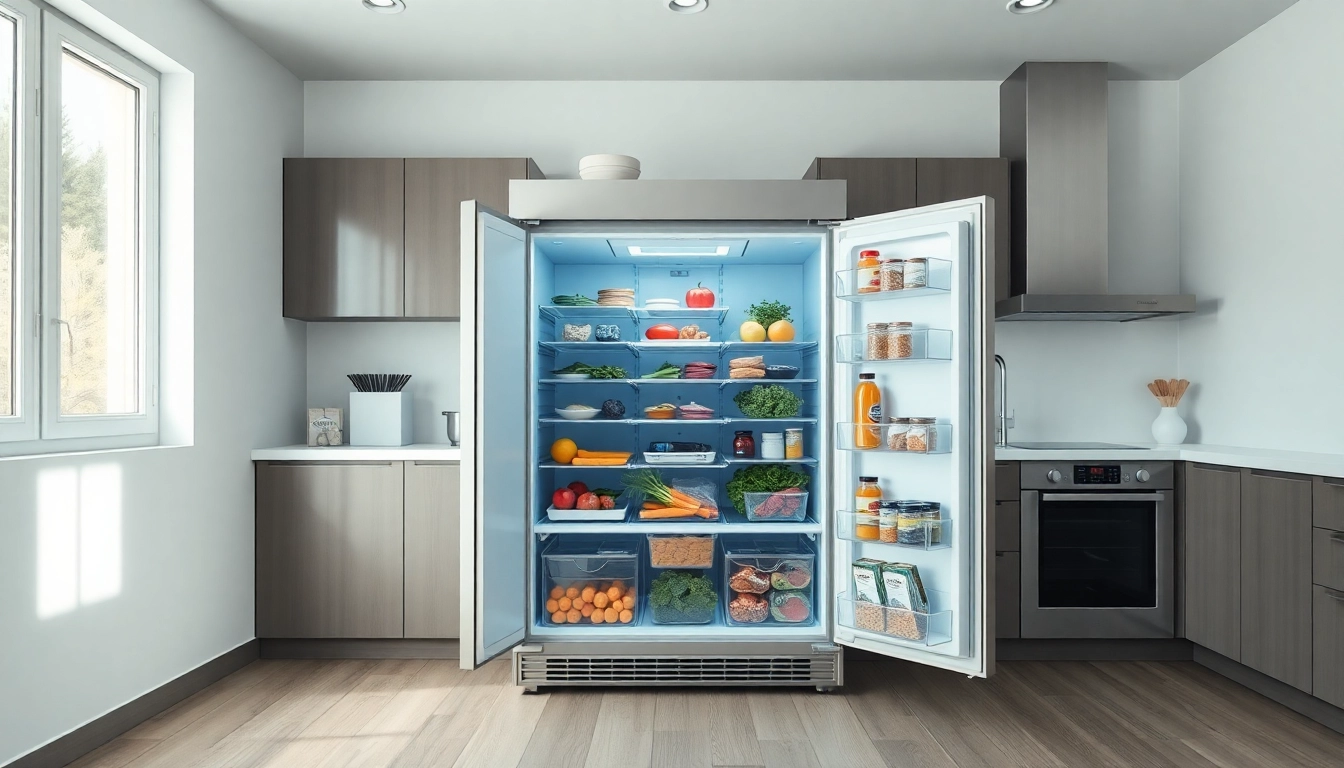
Understanding the Ice Maker Basics
What is an Ice Maker?
An ice maker is a home appliance designed to produce ice, offering convenience and making it easy to enjoy cold beverages. Unlike traditional ice cube trays requiring manual filling and freezing, an ice maker automates the entire process, providing a steady supply of ice at the tap of a button. Whether for daily hydration or special occasions, an ice maker serves to enhance the home experience.
How Ice Makers Work
Ice makers primarily function through a simple refrigeration cycle. The machine requires a water source, usually connected directly to the kitchen’s plumbing, and a power outlet. The cycle begins when water flows into a mold, where it freezes due to the refrigerant circulating around it. As the ice solidifies, the machine may use a heating element to release the ice from the mold to drop into a storage bin. Modern ice makers often contain advanced features such as quick production times, energy efficiency, and automated cleaning functions.
Types of Ice Makers Available
When considering ice makers, it’s essential to understand that they come in various styles to accommodate different needs. The main types include:
- Countertop Ice Makers: Compact and portable, these devices are perfect for kitchens with limited space, producing small quantities of ice quickly.
- Built-In Ice Makers: Integrated into your kitchen cabinetry, these machines offer larger capacity and can produce a steady supply of ice, ideal for larger families or frequent entertainers.
- Nugget Ice Makers: Known for producing chewable, soft ice, nugget ice makers are favored for cocktails and slushies, offering a fun texture.
- Commercial Ice Makers: Designed for high-capacity production, these units are suitable for restaurants, bars, and large gatherings.
Choosing the Right Ice Maker for Your Home
Consider Your Ice Production Needs
Before purchasing an ice maker, assess your ice consumption. Consider factors such as the size of your household, the frequency of gatherings, and whether you need ice for multiple purposes (e.g., cocktails, cooling beverages, or culinary uses). An average ice maker produces between 25-100 pounds of ice daily, so understanding your needs ensures you select the right capacity.
Factors to Look for in an Ice Maker
Several essential features can enhance your ice-making experience:
- Ice Type: Depending on your preference for ice cubes versus nugget ice, choose a model that fits your needs.
- Production Speed: Some ice makers can produce a batch of ice in as little as 6 minutes, which is vital for parties or gatherings.
- Storage Capacity: Ensure the storage bin holds enough ice to meet your demands, especially during busy periods.
- Energy Efficiency: Look for Energy Star ratings to reduce energy consumption and costs.
Ice Maker Size and Capacity Considerations
Physical size and production capacity are significant factors. Measure the intended installation space and ensure there’s ample room for proper air circulation. Also, consider the frequency and volume of ice usage in your household. For instance, a small family might suffice with a countertop model, while larger families or those who frequently host might favor built-in models capable of producing more ice daily.
Installation and Maintenance of Ice Makers
Installation Steps for Your Ice Maker
Installing an ice maker varies depending on the model, but here are general steps to follow:
- Determine placement: Choose a location close to a water source, drainage system, and electrical outlet.
- Prepare connections: If installing a built-in unit, help with plumbing connections may be necessary; for countertop models, ensure a suitable adapter for water supply.
- Level the unit: Uneven positioning can affect ice production; use shims if necessary.
- Test the ice maker: Connect it to the power source and water supply, run a test cycle, and check for leaks or issues.
Regular Maintenance Tips
Proper maintenance prolongs the life of your ice maker. Here are some tips:
- Clean the machine regularly, following the manufacturer’s guidelines to prevent mineral build-up.
- Check water filters and change them according to usage and water quality.
- Keep the surrounding area clean and ensure proper ventilation to avoid overheating.
- Inspect the unit for any wear and tear to ensure optimal functioning.
Troubleshooting Common Ice Maker Issues
Common problems may arise with ice makers, including:
- No Ice Production: Check the water supply and ensure the machine is receiving power.
- Insufficient Ice Amount: Ensure that the machine is not blocked and that the water filter is clean.
- Ice Tastes Awful: Check for old ice in the bin; regular cleaning can help eliminate residual odors.
- Common Error Codes: Refer to your model’s user manual for specific error codes and resolutions.
Benefits of Owning an Ice Maker
Convenience of Having Ice on Demand
The primary benefit of having an ice maker is the convenience of ice on demand. No more running to the store for bagged ice or waiting for trays to freeze. With automated ice production, you can serve guests instantly and keep your drinks chilled.
Cost Efficiency Compared to Store-Bought Ice
While there is an initial investment in purchasing an ice maker, it can lead to significant savings over time. Regular trips to the store for ice can add up, while having a dedicated unit at home minimizes these recurring expenses, providing a cost-effective long-term solution.
Entertaining and Special Occasions
For anyone who loves entertaining, an ice maker becomes an essential component for any gathering. Whether hosting a barbecue, holiday party, or casual get-together, having sufficient ice readily available elevates the experience and lets you focus on hosting instead of running errands.
Frequently Asked Questions about Ice Makers
Is it worth buying an ice maker?
Yes, investing in an ice maker is usually worth it for convenience, especially if you frequently use ice. It saves trips to the store and ensures a steady supply of ice.
How much ice does an ice maker produce?
Ice makers vary widely, producing anywhere from 25 pounds to 100 pounds of ice per day, depending on the model and usage.
Can I use an ice maker outdoors?
Most residential ice makers are designed for indoor use. If you want to use it outdoors, ensure it’s rated for outdoor conditions to avoid damage.
How long do ice makers typically last?
With proper maintenance and care, most residential ice makers last around 5-10 years, depending on usage and manufacturing quality.
What maintenance is required for an ice maker?
Regular cleaning, changing water filters, and checking the water supply and electrical connections are essential for maintaining performance and extending the life of your ice maker.