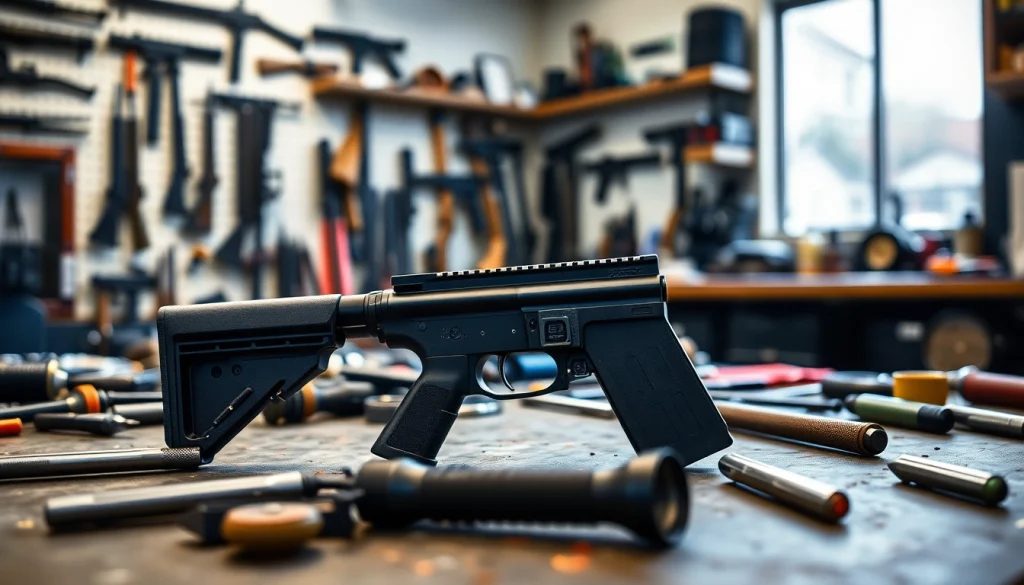
What is a Forced Reset Trigger?
Definition and Mechanism
A Forced reset trigger (FRT) is a specialized type of trigger used in semi-automatic firearms that resets automatically after each shot. Unlike traditional triggers, which require a distinct pull for every shot, the FRT utilizes the energy generated from the gun’s firing cycle to reset itself, allowing for faster follow-up shots with consistent trigger engagement. This mechanism leverages the inherent design of semi-automatic firearms, employing the recoil and cycling action to return the trigger to its forward position after each discharge, thus enhancing the shooting cadence.
Differences from Traditional Triggers
Traditional triggers operate on a straightforward principle: each pull of the trigger results in a single discharge of the firearm. For each subsequent shot, the shooter must manually reset the trigger to engage again. In contrast, the forced reset trigger introduces an innovative mechanical design that simplifies and accelerates this process. Upon firing, the energy from the expelled round pushes the bolt backward, which in turn resets the trigger mechanism. Therefore, while both types of triggers require pulling for each shot, only the FRT accomplishes this reset in a manner that does not necessitate any input from the shooter, ultimately leading to a smoother and more efficient shooting experience.
Common Uses and Applications
Forced reset triggers are commonly utilized in various shooting disciplines, including competitive shooting and tactical drills. Their ability to achieve rapid follow-up shots without manual trigger resetting makes them particularly advantageous in time-sensitive scenarios. Shooters often favor these triggers for applications demanding increased accuracy under pressure, such as law enforcement and self-defense training. Moreover, due to the ease of use and efficiency, FRTs are gaining popularity among recreational shooters who seek an enhanced shooting experience.
Legal Implications of Forced Reset Trigger
Current Legal Status
The legal status of forced reset triggers has been a complex and evolving issue. As of now, FRTs are considered legal under federal law and are not classified as machine guns by the Bureau of Alcohol, Tobacco, Firearms and Explosives (ATF). However, it’s crucial for firearm enthusiasts to remain updated on legal changes, as the status of FRTs can vary significantly across jurisdictions, leading to differing regulations on their purchase and use.
State-by-State Variations
While FRTs may be legal federally, state laws can impose additional restrictions. Some states have outright bans on certain modifications or accessories for firearms, while others may permit them with specific regulations in place. Therefore, potential buyers should thoroughly investigate their local laws and regulations before attempting to purchase or use a forced reset trigger. Engaging with local firearm advocacy groups can provide insights into legal nuances and help users navigate the complexities of state firearm laws.
Understanding Federal Regulations
Under federal regulations, the distinction between machine guns and semi-automatic triggers is critical. The ATF defines machine guns as firearms that fire more than one shot with a single pull of the trigger and automatically reset for subsequent shots. As forced reset triggers require a pull for each round, they do not meet this definition. Nevertheless, this classification is subject to review, and any changes in federal legislation could impact current practices surrounding these triggers, making it vital for users to stay informed about potential regulatory updates.
Benefits of Using a Forced Reset Trigger
Enhanced Shooting Performance
One of the most prominent benefits of a forced reset trigger is the enhanced shooting performance it offers. By enabling shooters to achieve rapid follow-up shots without the physical effort of manually resetting the trigger, FRTs can significantly improve the shooter’s ability to maintain accuracy and control during high-stress situations. This translates not only to improved shooting scores in competitive settings but also to greater effectiveness in practical applications such as self-defense or law enforcement scenarios.
Improved Accuracy and Control
Increased accuracy is another major advantage associated with forced reset triggers. The automatic reset mechanism allows shooters to keep their sights aligned on the target without interruption. This aspect is critical in marksman competitions and tactical shooting, as the seamless transition between shots often results in tighter groupings and improved hit rates. Furthermore, the reduction in the physical effort required to re-engage the trigger means that shooters can maintain better control throughout their shooting sessions.
Quick Reset Mechanism Advantages
The quick reset mechanism inherent to FRTs serves a dual purpose: it minimizes the time between shots while simultaneously enhancing the shooter’s mental focus. Because shooters do not need to consciously think about reset mechanics, they can concentrate on sight alignment and target acquisition. This advantage is further amplified in competitive scenarios, where fractions of a second can dictate performance outcome. The FRT effectively maximizes shooting efficiency, exemplifying modern innovations in firearm design.
Installation and Maintenance Considerations
Steps for Safe Installation
Installing a forced reset trigger requires specific steps to ensure safety and functionality. First, always ensure the firearm is unloaded and that you are working in a safe environment. Next, gather necessary tools such as screwdrivers and Allen wrenches specific to your firearm model. Follow the manufacturer’s installation instructions meticulously, which can typically be found in the product manual or on their website. If uncertain, it’s advisable to seek guidance from a qualified gunsmith to avoid potential issues stemming from improper installation.
Regular Maintenance Tips
Regular maintenance of the forced reset trigger is key to its longevity and performance. Clean the trigger assembly periodically to remove debris, dirt, or lubricant buildup that can interfere with its operation. Inspect the mechanical components for signs of wear or damage, and replace any compromised parts promptly. Additionally, ensure that the trigger reset mechanism is functioning correctly; testing it during routine firearm inspections will help maintain optimal performance.
Troubleshooting Common Issues
When using forced reset triggers, certain issues may arise. Common problems include failure to reset, inconsistent trigger pulls, or unintended discharges. If you experience failure to reset, it may indicate misalignment or wear in the trigger mechanism; consult the installation guide or seek professional assistance. For inconsistent pulls, check for debris on the trigger or reset mechanisms. In all cases, avoid using the firearm until the issue has been resolved, prioritizing safety at all times.
Frequently Asked Questions about Forced Reset Trigger
Are Forced Reset Triggers Legal?
Forced reset triggers are currently legal under federal law; they are not classified as machine guns. However, legality may vary by state, and it’s crucial to check local regulations before purchase.
How Does a Forced Reset Trigger Function?
A forced reset trigger functions by using the firearm’s cycling action to reset the trigger automatically after each shot, allowing for rapid follow-ups without manual resetting.
Can It be Installed on Any Firearm?
Not all firearms are compatible with forced reset triggers. Each trigger is designed for specific models; therefore, always check compatibility with your firearm type before installation.
What Are the Safety Features?
Safety features associated with forced reset triggers include mechanisms to prevent accidental discharge and ensure reliable function. Manufacturers provide detailed safety guidelines to follow during installation and use.
How Do I Choose the Right Model?
When choosing a forced reset trigger, consider factors such as compatibility with your firearm, pull weight preferences, and reviews from other users to ensure quality and performance that meets your needs.