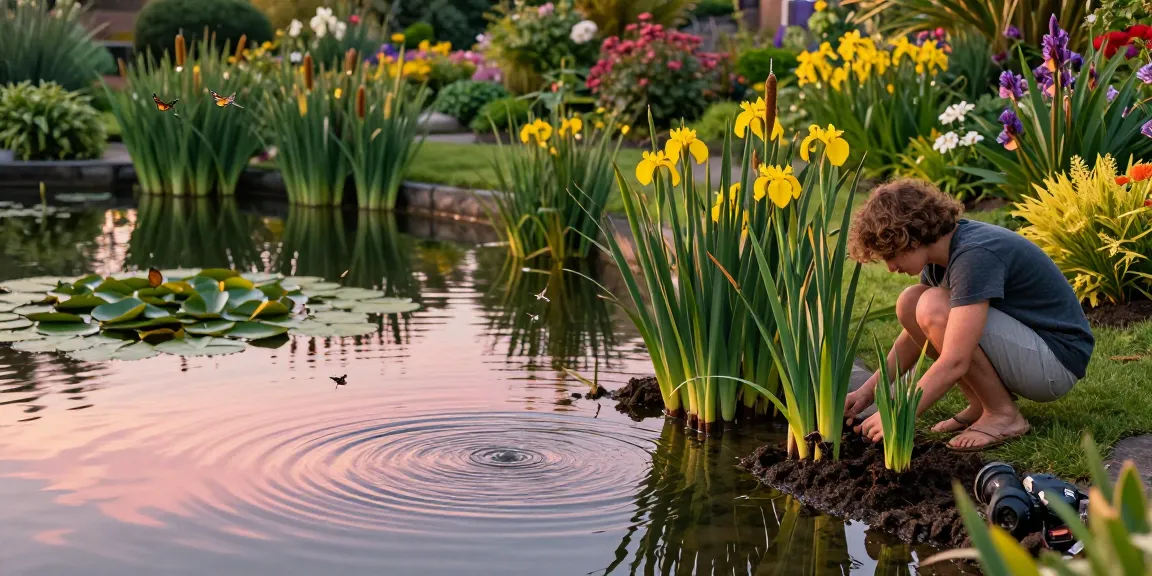
Understanding Marginal Pond Plants
Marginal pond plants play a crucial role in the ecosystem of aquatic environments. These plants thrive in the shallow edges of ponds and lakes, where water meets land, contributing significantly to the overall health of water bodies. They provide essential habitat for wildlife, improve water quality, and enhance the aesthetic appeal of garden ponds. When exploring options, Marginal Pond Plants offer a diverse selection which can help you create a vibrant pond ecosystem.
What Are Marginal Pond Plants?
Marginal pond plants are species that grow in the transitional zones of water bodies, typically in water depths ranging from a few inches to about one foot. They are characterized by their ability to thrive both partially submerged and in wet soil. These plants often exhibit a variety of foliage and flowering characteristics that attract pollinators, while their roots stabilize the banks of ponds and filter runoff, contributing to ecological balance.
Benefits of Including Marginal Pond Plants
The inclusion of marginal pond plants in landscaping offers numerous benefits:
- Water Quality Improvement: They help filter impurities and absorb excess nutrients, reducing algae growth.
- Wildlife Habitat: These plants provide shelter and breeding grounds for amphibians, insects, and birds.
- Aesthetic Value: Their various colors and textures enhance the visual appeal of garden ponds.
- Erosion Control: The root systems stabilize soil, reducing erosion and sedimentation in water bodies.
Common Types of Marginal Pond Plants
There are several common species of marginal pond plants, each with unique characteristics:
- Siberian Iris (Iris sibirica): Known for its striking purple flowers, it thrives in wet soil.
- Marsh Marigold (Caltha palustris): A vibrant yellow-flowered plant ideal for wet environments.
- Japanese Iris (Iris ensata): Prefers shallow water and is renowned for its large blooms.
- Pickerel Rush (Pontederia cordata): Features beautiful spikes of blue flowers and attracts wildlife.
- Water Mint (Mentha aquatica): A fragrant plant that tolerates wet soil and supports pollinators.
Choosing the Right Marginal Pond Plants
Selecting the appropriate marginal pond plants for your garden pond is essential to maintaining a thriving ecosystem. Several factors should be considered during the selection process.
Evaluating Your Pond Environment
The first step in choosing marginal plants is to assess your pond’s environment. Consider the following factors:
- Water Depth: Determine the depth where you want to place the plants.
- Sunlight Exposure: Identify how much sunlight the area receives throughout the day.
- Soil Type: Examine the soil’s texture and drainage capabilities, as some plants prefer boggy conditions while others need well-drained soil.
Factors in Plant Selection and Placement
When selecting plants, it’s crucial to consider compatibility with your existing ecosystem:
- Growth Rate: Some plants grow rapidly and may require more maintenance, while others are slower and more stable.
- Nutrient Needs: Different species have varying nutrient requirements that should align with your pond’s conditions.
- Height and Spread: Ensure the plants you choose will fit the available space without overcrowding.
Common Mistakes to Avoid When Choosing Plants
Avoiding common pitfalls can ensure a successful planting experience:
- Overcrowding: One of the biggest mistakes is planting too many species in a small area, leading to competition for resources.
- Neglecting Maintenance: Ensure you select species that you can maintain based on your available time and resources.
- Ignoring Local Wildlife: Choose plants that will attract beneficial wildlife, rather than invasive species that could disrupt the ecosystem.
Cultivating Marginal Pond Plants
Once you have selected your plants, understanding how to cultivate them is paramount to their success.
Essential Soil and Water Conditions
Marginal pond plants require specific conditions to thrive:
- Soil Composition: A mix of clay and organic matter usually works best for nutrient retention.
- Water Quality: Ensure the water is clean; some species are sensitive to pollution.
- pH Levels: Most marginal plants prefer a slightly acidic to neutral pH (6.0-7.0).
Best Practices for Planting Marginal Species
To ensure a successful planting process, follow these best practices:
- Time of Year: Early spring or late fall is often the best time for planting.
- Spacing: Leave adequate space between plants to allow for growth and air circulation.
- Proper Planting Depth: Ensure that the crown of the plant is at water level to promote healthy growth.
Maintenance Tips for Thriving Plants
Keeping your marginal pond plants healthy involves regular maintenance:
- Regular Pruning: Trim dead or dying leaves to encourage new growth.
- Water Management: Monitor water levels to ensure they remain consistently moist but not waterlogged.
- Fertilization: Use organic fertilizers to promote healthy growth without harming water quality.
Enhancing Pond Ecosystems with Marginal Plants
Marginal pond plants are not just decorative; they significantly impact the entire pond ecosystem.
Impact on Water Quality and Wildlife
These plants contribute to water quality by:
- Filtration: Their root systems filter out pollutants and absorb excess nutrients.
- Oxygenation: Photosynthesis performed by these plants adds oxygen to the water, benefiting aquatic life.
Creating a Balanced Habitat
Marginal plants help create a balanced habitat by:
- Providing Shelter: They offer refuge for young fish and other aquatic organisms.
- Food Source: Many insects and wildlife rely on these plants for food.
Real-world Success Stories of Marginal Plant Integration
Many gardeners have successfully integrated marginal plants into their ponds:
- Case Study 1: A community pond revitalized with native marginal species, which increased local biodiversity.
- Case Study 2: A private garden that transformed its water quality by introducing a variety of marginal plants.
Future Trends for Marginal Pond Plants
As we look toward 2026 and beyond, the trends in marginal pond gardening continue to evolve.
Innovative Approaches to Planting and Care
Gardening techniques are adapting, with innovations such as:
- Hydroponics: Utilizing soil-free growing techniques for marginal plants.
- Smart Monitoring: Implementing technology to monitor water quality and plant health.
Emerging Species for 2026 and Beyond
As ecosystems change, new species are becoming popular:
- Native Wildflowers: Increasing emphasis on using local species that are better adapted to regional conditions.
- Hybrid Varieties: New hybrids that offer improved resilience and aesthetic qualities.
Predictions for Sustainable Pond Gardening
Future sustainable gardening trends suggest a greater emphasis on:
- Low Maintenance: Selecting plants that require minimal intervention and are drought-resistant.
- Community Engagement: Collaborative efforts to restore natural habitats and promote biodiversity within local ecosystems.
What are the best marginal pond plants for beginners?
For beginners, it’s advisable to start with hardy species such as Water Mint and Marsh Marigold, which are easy to maintain and adapt well to various conditions.
How do marginal pond plants improve water quality?
Marginal pond plants improve water quality by filtering out pollutants, absorbing excess nutrients, and providing oxygen through photosynthesis.
Can marginal plants survive winter conditions?
Many marginal plants can survive winter conditions, especially if they are native species that have adapted to local climates.
What maintenance is required for marginal pond plants?
Regular maintenance includes pruning, monitoring water levels, and possibly fertilizing with organic options to promote healthy growth.
Where can I find rare marginal pond plants?
Rare marginal pond plants can often be found at specialty nurseries, botanical gardens, or through online retailers that focus on aquatic gardening.