Understanding the Core of Education
Definitions and Key Concepts
Education is often defined as the systematic process of acquiring knowledge, skills, values, and habits through various methods, primarily through formal schooling but also via informal means such as life experiences and interactions. The essence of Education lies in its ability to foster critical thinking, ethical reasoning, and personal development in individuals.
Key concepts associated with education include pedagogy (the art and science of teaching), curriculum (the subjects comprising a course of study), and assessment (the measurement of knowledge gained). These elements work in harmony to create a conducive learning environment, promoting student engagement and academic success.
Historical Evolution of Education
The history of education can be traced back to ancient civilizations, where systems were developed primarily for the elite to impart knowledge and skills deemed important for governance and societal roles. The earliest forms were oral traditions passed down through generations. Over time, hieroglyphics in Egypt, cuneiform in Mesopotamia, and the creation of structured schooling systems in Ancient Greece transformed the educational landscape.
By the Middle Ages, education began to take on a more formal structure with the establishment of universities in Europe, which served as centers for higher learning. The Renaissance sparked a renewed interest in arts and sciences, shifting educational focus toward critical inquiry and innovation. Today, education is recognized not just as a means of personal advancement but also as a public good essential for societal progress.
The Importance of Quality Education
Quality education serves as a cornerstone for sustainable development and societal well-being. It plays a fundamental role in economic growth, reduction of poverty, and enhancement of health outcomes. Educational attainment is strongly correlated with income levels; higher education often results in better job opportunities and increased earning potential.
Moreover, education fosters equality and empowers individuals, especially marginalized groups, granting them the tools necessary to break cycles of poverty. Through education, individuals gain the ability to contribute meaningfully to their communities, thereby enhancing social cohesion and democratic participation.
Challenges in Modern Education
Access and Equity Issues
Despite advancements, significant challenges related to access and equity in education persist globally. Many individuals, particularly in underprivileged areas, face barriers such as lack of resources, inadequate infrastructure, and socio-economic constraints that inhibit their ability to receive quality education.
To address these issues, policies aimed at educational reform must prioritize inclusiveness. Investments in technology and teacher training are essential, as is the establishment of scholarships and funding for marginalized groups. Equitable education is not just a moral imperative; it is necessary for fostering a just society.
Impact of Technology on Education
The incorporation of technology in education has revolutionized how learning occurs. Online platforms, interactive applications, and digital resources facilitate personalized learning experiences that cater to diverse needs and learning styles.
However, the digital divide represents a critical barrier. Access to technology varies significantly, leaving many students at a disadvantage. Educators and policymakers must strive to integrate technology in a way that is equitable and conducive to learning, ensuring that all students can benefit from digital advancements.
Addressing Diverse Learning Needs
Students today come from varied backgrounds and possess a wide range of learning abilities. Inclusive education seeks to address diverse learning needs by employing differentiated instruction strategies that consider children’s unique learning styles and challenges.
Educators can implement universal design for learning (UDL) principles to create adaptable curricula and assessment methods. This approach not only advances opportunities for students with disabilities but benefits all learners by encouraging diverse perspectives and collaborative learning environments.
Innovative Teaching Methods
Project-Based Learning Techniques
Project-based learning (PBL) transforms traditional educational models by emphasizing real-world problem-solving. In PBL, students engage in a rigorous process of inquiry that culminates in a project that addresses authentic challenges.
This experiential learning approach is proven to enhance critical thinking, collaboration, and communication skills. By working on projects that resonate with their interests, students are more motivated and develop a deeper understanding of the subject matter.
Incorporating EdTech Tools
Educational technology (EdTech) tools are increasingly integrated into classrooms to enhance learning experiences. Tools such as learning management systems (LMS), interactive apps, and virtual reality environments offer dynamic ways for students to engage with content.
Instructors can leverage these technologies to facilitate hybrid learning models, allowing for flexible and personalized education. As technology continues to evolve, continuous exploration and adaptation are vital to effectively meeting students’ educational needs.
Collaborative and Interactive Approaches
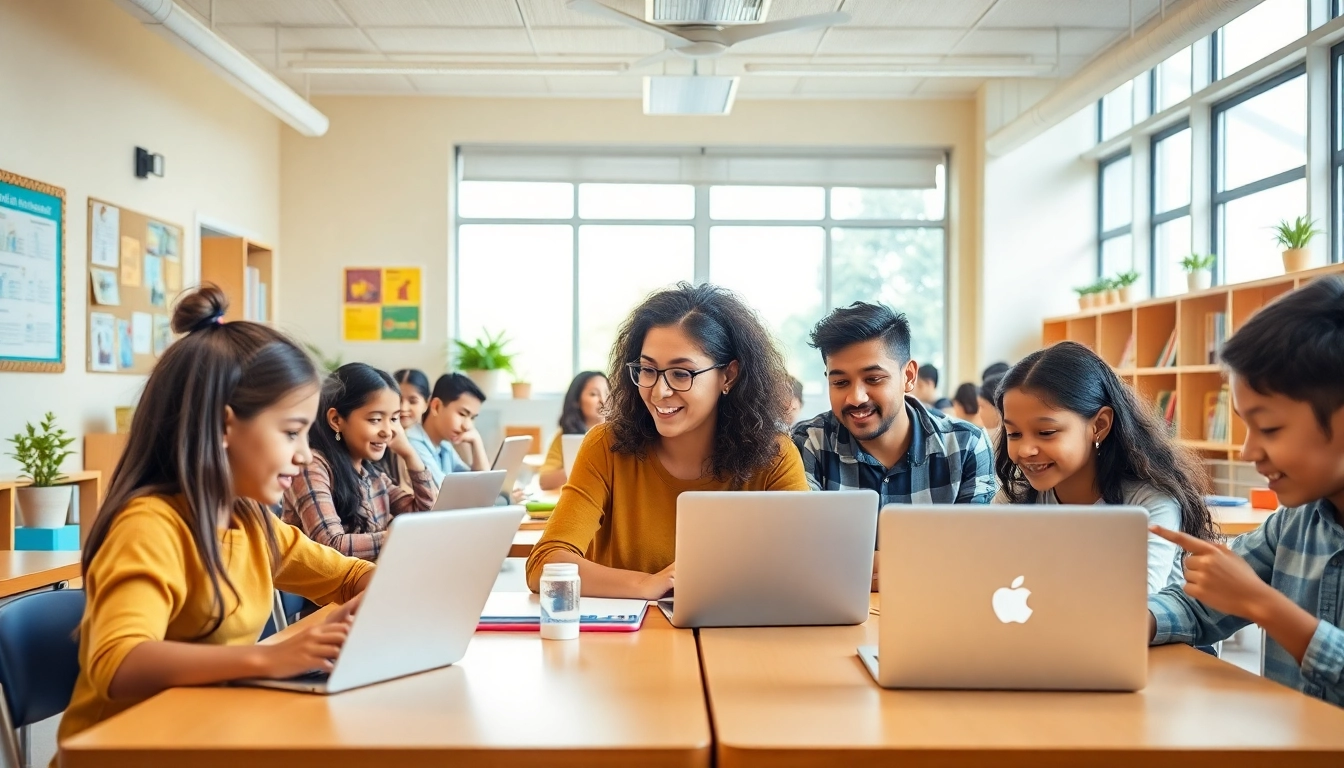
Modern pedagogy recognizes the value of collaborative and interactive learning methodologies. Group activities, peer tutoring, and discussions foster social learning and enhance students’ engagement with the material.
These approaches not only improve academic performance but also build essential life skills such as teamwork, negotiation, and conflict resolution. By creating a community of learners, the educational experience becomes more enriching and impactful.
Measuring Educational Outcomes
Assessment Methods and Tools
Accurate measurement of educational outcomes is critical for understanding the effectiveness of teaching strategies and curriculum design. Diverse assessment methods, including formative assessments, standardized tests, and performance-based evaluations, provide insights into student learning.
Incorporating feedback from assessments helps educators identify areas of improvement and adapt instructional methods to better serve students. Emphasizing a holistic view of student performance is necessary for the continuous refinement of educational practices.
Feedback Mechanisms for Improvement
Feedback plays a pivotal role in the learning process. Timely and constructive feedback allows students to understand their strengths and weaknesses, guiding their efforts toward improvement.
Educators must cultivate a feedback-rich environment where students feel empowered to seek help, ask questions, and take ownership of their learning journeys. This approach not only enhances educational outcomes but also fosters a growth mindset among learners.
Long-Term Benefits of Effective Education
The long-term benefits of effective education extend far beyond individual economic gain. Societies that prioritize quality education reap rewards in the form of reduced crime rates, improved public health, and greater civic participation.
Investing in education fosters resilience and adaptability in populations, enabling communities to navigate global challenges such as economic shifts and environmental crises. Ultimately, quality education contributes to a prosperous, sustainable future for all.
The Future of Education
Trends Shaping Education Today
Current trends indicate a shift toward personalized learning, where education tailors pathways that align with individual student interests and abilities. This shift is supported by advancements in data analytics and artificial intelligence, allowing for adaptive learning environments that respond to learners’ progress.
Additionally, the integration of social-emotional learning (SEL) in curricula highlights the importance of mental health and emotional intelligence, equipping students with essential skills for life beyond academics.
Preparing for Global Challenges
The future of education must prioritize the development of skills essential for a rapidly changing world. This includes an emphasis on critical thinking, creativity, collaboration, and digital literacy—skills that are indispensable in the 21st-century workforce.
Institutions and educators need to adapt curriculum and teaching styles to emphasize these capabilities and prepare students to tackle global challenges such as climate change and technological disruption.
Empowering Educators for Future Success
Empowering educators through professional development and support is paramount for achieving educational excellence. Continuous training equips teachers with the latest pedagogical tools and techniques, fostering innovative teaching practices that enhance student achievement.
Collaboration among educators, administrators, and policymakers is essential to create a robust educational ecosystem that fosters growth and adaptability within teaching professions, ultimately benefiting students.