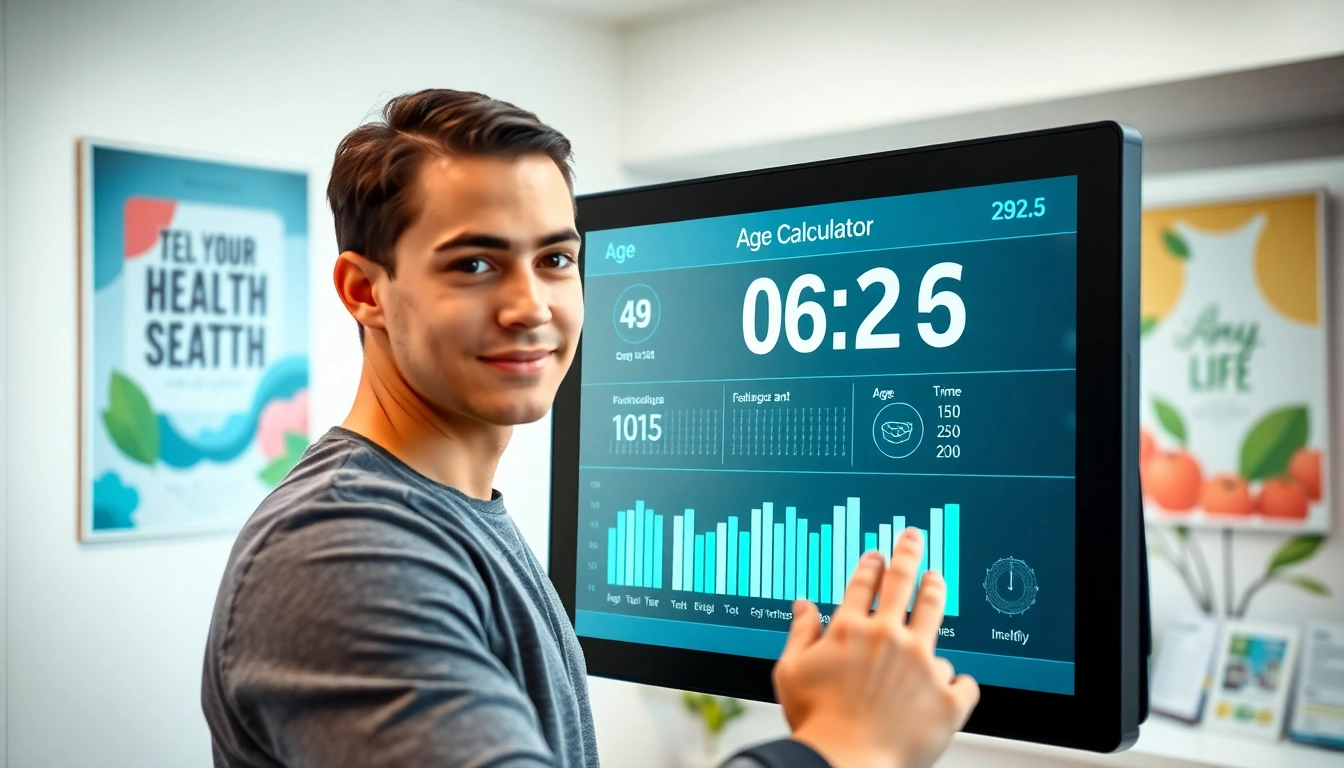
The Science Behind Biological Age Calculation
What is Biological Age?
Biological age refers to the age of an individual’s body in terms of its physiological condition and health markers, contrasting with chronological age, which is simply the measure of time since birth. The concept of biological age recognizes that the aging process varies greatly between individuals due to factors such as genetics, lifestyle, and environmental influences. For instance, two people of the same chronological age may have significantly different biological ages—one could be seen as youthful and healthy, while another might be suffering from age-related ailments. This measurement seeks to provide a more relevant understanding of one’s overall health and longevity.
The Importance of Understanding Your Biological Age
Understanding your biological age carries numerous benefits. Acknowledging your body’s actual physiological state allows for tailored health interventions and lifestyle adjustments that could greatly impact longevity. Through a biological age calculator, individuals can benchmark their health, motivating them to engage in preventative measures or treatments to delay aging. Awareness of biological age can lead to improved health outcomes and may guide individuals toward making informed choices regarding diet, exercise, and mental well-being.
Factors Influencing Biological Age
Numerous factors contribute significantly to biological age, including:
- Genetics: Inherited traits can influence your body’s aging process. Certain genes may predispose individuals to age-related diseases.
- Lifestyle Choices: Diet, physical activity, and habits such as smoking or excessive drinking can positively or negatively affect biological age.
- Environmental Factors: Exposure to toxins, climate, and social determinants of health play a crucial role in the aging process.
- Stress Levels: Chronic stress can lead to accelerated aging by impacting mental health and increasing the risk of chronic conditions.
- Sleep Quality: Adequate and restful sleep is fundamental to various body functions, including repairing cells and regulating hormones related to aging.
How to Use the Biological Age Calculator
Step-by-Step Guide to Using the Calculator
Using a biological age calculator typically involves providing specific health-related data. Here’s a simple guide to help you navigate this tool:
- Gather Personal Health Information: This may include your height, weight, medical history, lifestyle habits, and relevant biomarker data such as blood tests.
- Access the Calculator: Navigate to the biological age calculator of your choice.
- Input Your Data: Fill in the required fields accurately to get an appropriate assessment.
- Submit Your Information: Review your entries before hitting the calculate button to ensure accuracy.
- Review Results: Analyze the results of your biological age assessment, which may be presented alongside your chronological age for comparison.
Interpreting Your Results
Once you receive your biological age result, it’s essential to interpret it correctly. A result showing that your biological age is younger than your chronological age often indicates a healthy lifestyle and effective management of health risks. Conversely, a higher biological age can signal potential areas for lifestyle or health interventions. It’s advisable to consult a healthcare professional for a comprehensive understanding and to establish an action plan based on the results.
Common Pitfalls to Avoid
While using a biological age calculator can provide valuable insights, there are common pitfalls to avoid:
- Inaccurate Data Entry: Providing incorrect data significantly skews results. Always double-check information before submission.
- Ignoring Context: A single result shouldn’t define your entire health profile. Consider it as one of many tools in monitoring your health.
- Overemphasis on Results: Remember that biological age is a guide, not a verdict. Always take a holistic approach to health and well-being.
Benefits of Tracking Your Biological Age
Health Insights from Age Calculations
Tracking your biological age serves as a powerful tool for gaining insights into your health. Regular assessments can facilitate recognition of health trends over time, highlighting the effectiveness of lifestyle changes or treatments. For instance, improvements in biological age after adopting healthier habits can reinforce positive behaviors. Conversely, a deteriorating biological age can signal the onset of health risks, prompting timely medical intervention.
Connecting Lifestyle Changes to Age Improvements
Understanding your biological age fosters a direct connection between lifestyle changes and health outcomes. For example, if a person implements a plant-based diet and begins exercising regularly, they may find that their biological age decreases in subsequent assessments. These tangible results can encourage continuous commitment to healthier choices and motivate adherence to sustainable lifestyle habits.
Long-term Health Monitoring Strategies
Incorporating biological age tracking into your health monitoring plan enhances your overall well-being. Here are strategies to consider:
- Regular Check-ins: Establish a routine to assess your biological age, whether quarterly or bi-annually, to monitor trends effectively.
- Comprehensive Health Reviews: Pair biological age assessments with regular health check-ups to evaluate and adjust your overall health plan.
- Involve Professionals: Consult with healthcare providers to interpret results and receive tailored recommendations based on findings.
Comparing Biological Age with Chronological Age
Understanding the Difference
The distinction between biological age and chronological age is vital for understanding health dynamics. Chronological age is fixed and linear, while biological age is dynamic and influenced by various factors. Understanding this difference emphasizes that aging is not merely a matter of years lived but reflects how one’s health has been maintained throughout life.
Why Chronic Conditions Matter
Chronic conditions often play a significant role in determining biological age. Conditions like diabetes, obesity, and hypertension can advance biological aging due to their impact on bodily functions. Recognizing how these health issues influence biological age can enhance awareness amongst those experiencing these conditions and drive efforts toward managing their health more effectively.
Real-life Examples of Biological versus Chronological Age
Real-life stories often illuminate the disparities between biological and chronological age. For instance, individuals in their 30s who have adopted rigorous fitness regimes may have a biological age in their 20s. Conversely, some in their 50s who have neglected health may show signs of biological aging reflecting someone in their 70s. These stories underscore the importance of health management, lifestyle choices, and the potential for improvement regardless of chronological age.
Additional Tools to Assess Your Health
Integrating Other Health Metrics
While biological age calculators are useful, integrating additional health metrics provides a more comprehensive health assessment. Consider utilizing tools that evaluate body mass index (BMI), cardiovascular health, and metabolic rates. By incorporating a range of metrics, individuals can achieve a multifaceted understanding of their health landscape, allowing for more informed decisions.
Using Wearable Technology for Health Tracking
Wearable technology can support real-time health tracking. Devices that monitor heart rate, activity levels, and sleep patterns can provide data that enhances the understanding of your biological age. Regular data collection through these wearables aids in identifying areas needing focus while promoting accountability in maintaining a healthy lifestyle.
Combining Data for a Holistic View
A holistic view of health requires combining data from various sources. This may involve correlating results from biological age assessments with insights gained from wearable devices, dietary logs, and routine medical evaluations. By painting a comprehensive picture of your health, individuals can design personalized strategies that effectively transfer into positive lifestyle changes and improved biological age over time.