Understanding Brain Tumor Surgery
Brain tumor surgery is a critical intervention for both benign and malignant brain tumors, aiming to remove the tumor while preserving neurological function. As techniques advance, including minimally invasive procedures, the landscape of neurosurgery is evolving rapidly. This article explores essential information regarding brain tumor surgery, including types of tumors, surgical methods, and the postoperative journey, providing valuable insights for patients and their families. When exploring options, beyin tümörü ameliyatı offers comprehensive insights into the procedures involved.
What is Brain Tumor Surgery?
Brain tumor surgery involves the precise removal of tumors from the brain or surrounding tissues. The two primary types of tumors treated through surgery are benign tumors, which are non-cancerous, and malignant tumors, which can be aggressive and life-threatening. The decision to undertake surgery is influenced by various factors, including the tumor's type, size, and location, as well as the patient's overall health and neurological function.
Types of Brain Tumors: Meningiomas and Gliomas
Brain tumors are classified into several types, with meningiomas and gliomas being the most common variants. Meningiomas arise from the meninges, the protective membranes covering the brain, and are often benign, exhibiting slow growth rates. Gliomas, on the other hand, originate from glial cells and can range from low-grade tumors to aggressive variants like glioblastoma multiforme (GBM). Each tumor type presents unique challenges and requires tailored surgical approaches.
The Surgical Process Explained
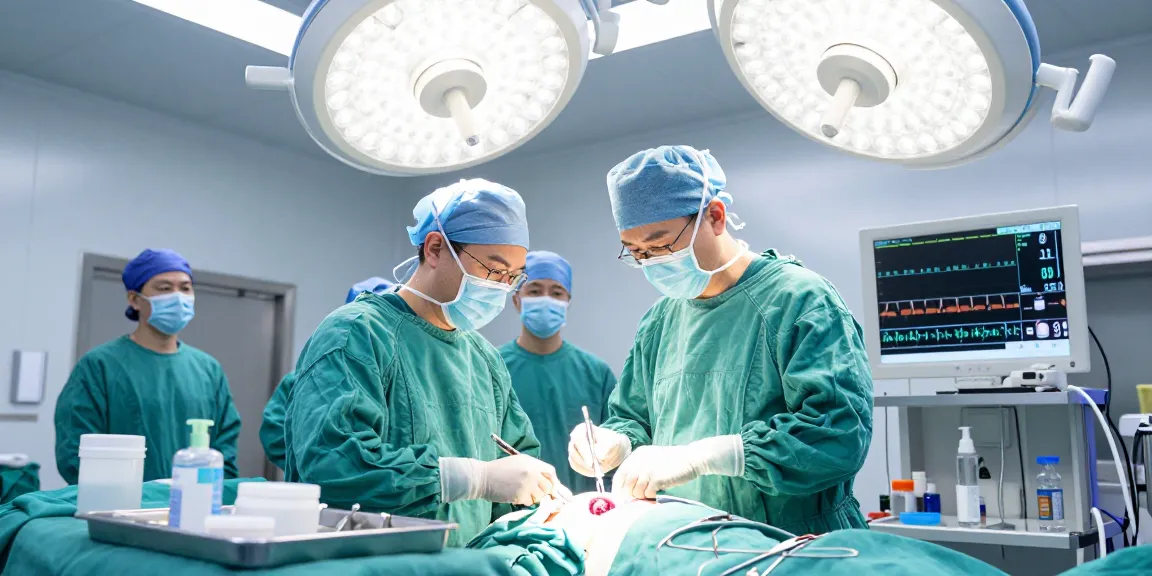
The surgical process for brain tumors is multifaceted. Initially, it encompasses a thorough assessment and imaging to ascertain the tumor's characteristics. During surgery, advanced techniques, such as intraoperative monitoring and navigation, enhance surgical accuracy and minimize risks. Post-surgery, patients undergo close monitoring to track recovery and identify potential complications.
Preparation for Brain Tumor Surgery
Preoperative Assessments and Imaging Techniques
Prior to surgery, comprehensive assessments including MRI and CT scans are conducted to evaluate the tumor's size, location, and effects on surrounding brain structures. These imaging techniques are vital for surgical planning, helping neurosurgeons determine the safest approach to access and remove the tumor.
Patient Preparation and Anesthesia Considerations
Effective preparation is crucial for a successful surgical outcome. Patients typically undergo a range of assessments to evaluate their health status, including blood tests and neurological evaluations. Anesthesia decisions are made based on the tumor's location and the patient's health, ensuring comfort and safety throughout the procedure.
Setting Realistic Expectations Before Surgery
Patients and their families should have realistic expectations regarding the surgery's goals and potential outcomes. Understanding the risks involved, including possible complications such as infection, bleeding, or neurologic deficits, is essential for informed consent and effective post-operative care.
Conducting the Surgery
Advanced Techniques in Neurosurgery
Neurosurgery has evolved with technological advancements, such as intraoperative MRI, neuro-navigation, and minimally invasive techniques. These innovations allow for more precise tumor removal with reduced recovery times and complications. Surgeons can now visualize the tumor and surrounding brain structures in real time, enhancing surgical accuracy.
Intraoperative Monitoring and Navigation
Intraoperative monitoring is a critical component of brain tumor surgery, allowing surgeons to evaluate the patient's neurological status throughout the procedure. Techniques such as electrophysiological monitoring provide feedback on the function of critical brain pathways, helping to preserve crucial functions while effectively removing the tumor.
Understanding the Duration and Stages of Surgery
The duration of a brain tumor surgery can vary significantly, generally ranging from 4 to 8 hours depending on the complexity of the case. The procedure is typically divided into stages, including exposure, resection, and closure, each requiring careful planning and execution to ensure patient safety and optimal outcomes.
Postoperative Care and Recovery
Immediate Aftercare: Monitoring and Follow-ups
After surgery, patients are closely monitored in a recovery unit to assess their neurological status and vital signs. Regular imaging studies are often performed to evaluate the extent of tumor removal and detect any complications early. Effective aftercare is essential in minimizing risks and promoting recovery.
Managing Pain and Complications After Surgery
Pain management is an integral aspect of postoperative care. Patients may experience discomfort at the surgical site; therefore, effective pain management strategies, including medication and physical therapy, are implemented to facilitate recovery. Monitoring for complications such as infections or seizures is also critical.
Long-term Rehabilitation and Support Options
Postoperative rehabilitation may be necessary to help patients regain cognitive and physical functions impaired by the tumor or surgery. This may include physical therapy, occupational therapy, and counseling services to assist patients and their families in adjusting to changes in their health status.
Future Trends in Brain Tumor Surgery
Innovative Techniques and Technologies in 2026
As the field of neurosurgery progresses, future innovations are poised to enhance brain tumor treatment. Advances in artificial intelligence and robotics are expected to improve surgical precision, while research in personalized medicine is likely to tailor treatments to individual tumor characteristics.
The Role of Personalized Medicine in Neurosurgery
Personalized medicine focuses on customizing treatment plans based on the genetic makeup of the tumor and the patient’s unique profile. This approach can lead to more effective interventions and better outcomes by tailoring therapies to target specific tumor types and minimize adverse effects.
Emerging Research and Clinical Trials on Brain Tumors
Ongoing research and clinical trials continue to explore new therapies and surgical techniques for brain tumor management. Participation in clinical trials can offer patients access to cutting-edge treatments that are not yet widely available, potentially improving survival and quality of life.
What are the common risks associated with brain tumor surgery?
Brain tumor surgery carries inherent risks, including infection, bleeding, and neurological deficits. Each patient’s risk profile is assessed to tailor the surgical approach and minimize complications.
How long does recovery typically take after brain tumor surgery?
Recovery duration varies by individual and procedure type but generally can take several weeks to months. Patients may require rehabilitation to regain full function.
What should patients expect in terms of rehabilitation?
Rehabilitation may involve physical, occupational, and speech therapy to aid recovery, focusing on regaining lost functions and adapting to any new limitations.
How can technology enhance brain tumor surgery outcomes?
Technological advancements such as intraoperative imaging and robotic assistance enhance the accuracy and safety of surgical procedures, significantly improving patient outcomes.
What are the signs of complications after surgery?
Signs of complications may include increased headache, seizures, fever, or neurological changes. For more information, beyin tümörü ameliyatı offers valuable insights. Patients should contact their healthcare provider immediately if they notice any concerning symptoms.